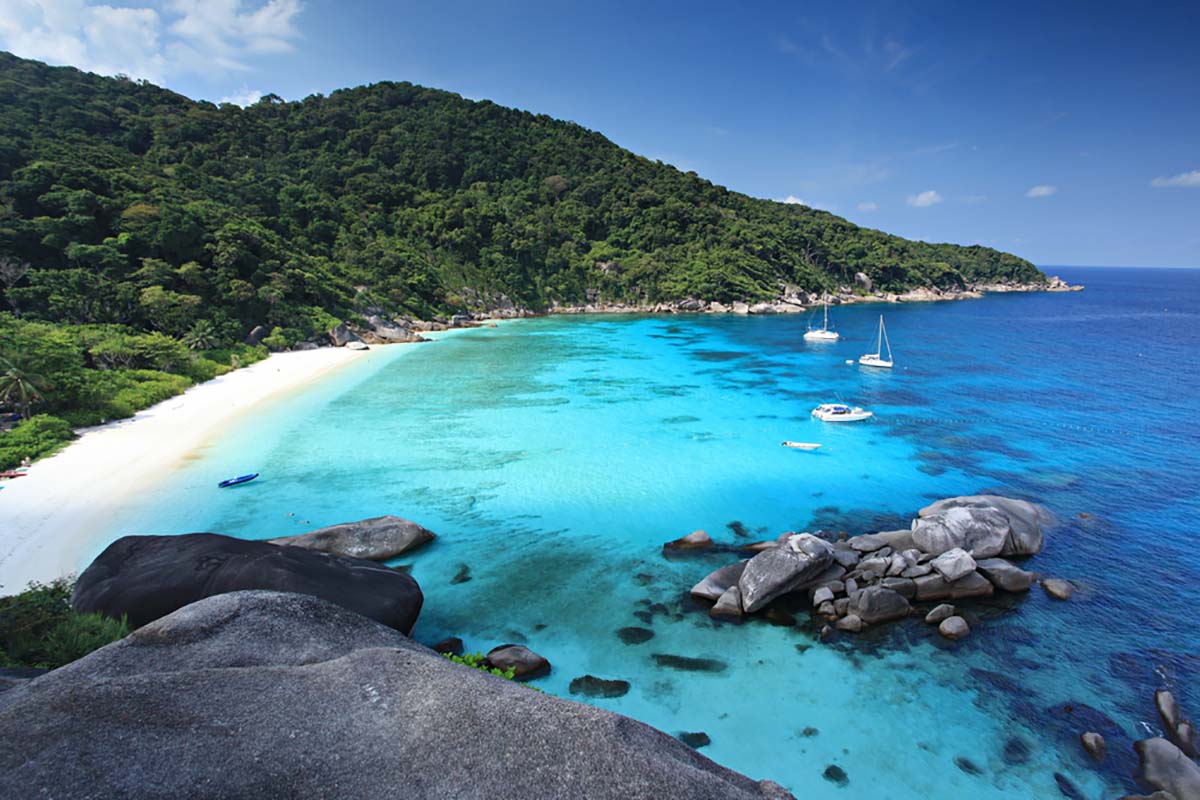
 New daily limits on tourist and diver numbers, strict fishing regulations and single-use plastic bans are already having a positive effect on visitor experience on Thailand’s Similan and Surin Islands. Continue reading “Similan Island permits & single-use plastic ban – Thailand protects its marine environment”
Author: Deborah
Diving Thailand’s Andaman Sea
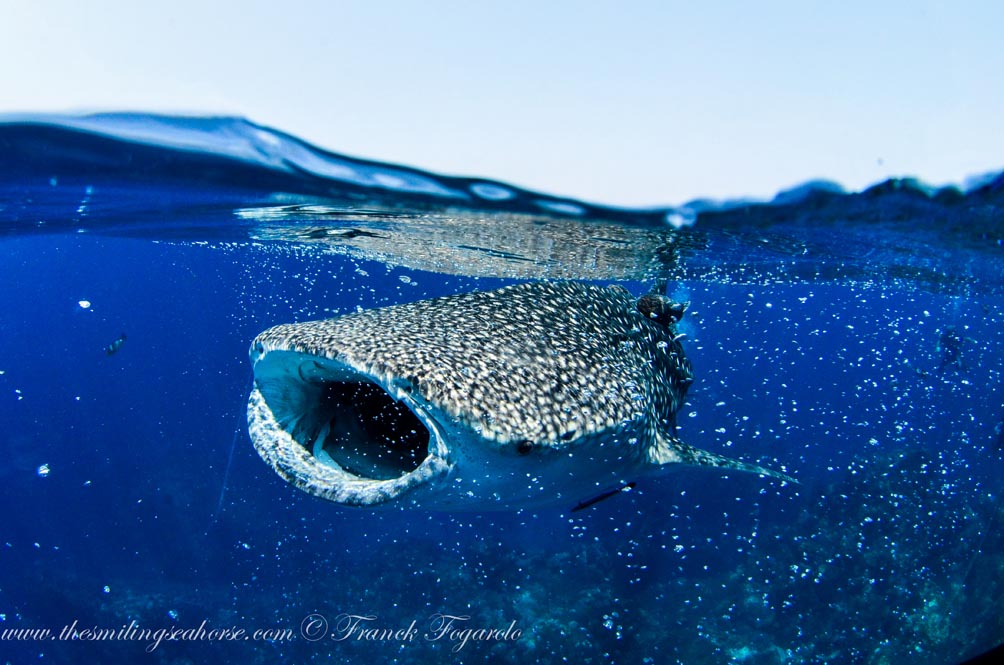
The Andaman Sea is famous for its spectacular diving. The marine life and coral reefs surrounding the Similan and Surin islands have been attracting scuba divers from all over the world for years. But recently, more and more divers are discovering the underwater wonders both north and south of these well-known dive sites. To the south, the Phi Phi national Marine park and southern islands of Koh Ha, Hin Daeng and Hin Muang, and to the north, Myanmar’s Mergui Archipelago.
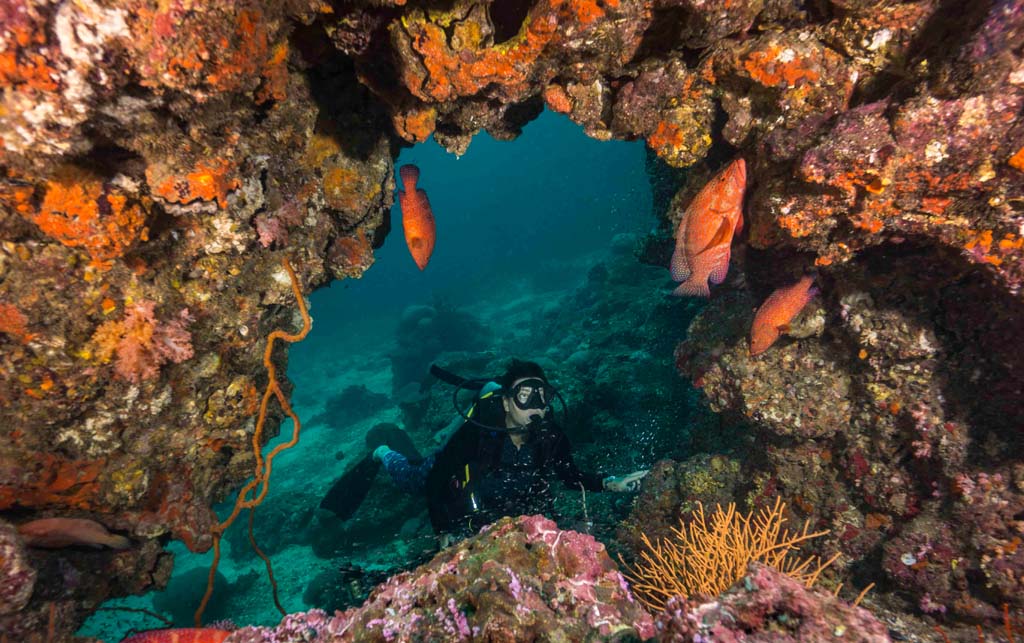
NOW there are two new dive liveaboard boats that specialise in these emerging diving destinations. Based in Phuket, ‘The Phinisi’, a traditionally designed yacht runs dive trips to the southern islands, the Similan and Surin Islands and north into Myanmar. The ‘Smiling Seahorse’, based in Ranong on the Thailand and Myanmar border, offers dive cruises to the Similan and Surin Islands, and is a specialist in Myanmar’s remote Mergui Archipelago.
The South: from Phi Phi to Hin Muang
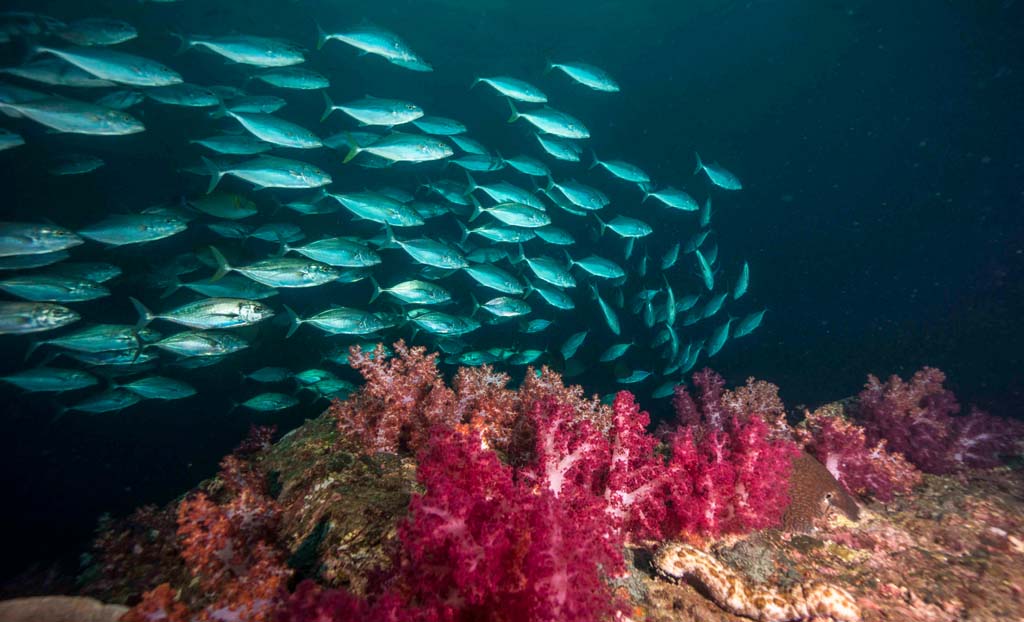
The Phi Phi National Marine Park and the southern islands of Koh Haa, Hin Daeng and Hin Muang offer pinnacles, incredible limestone walls covered in healthy soft corals and gorgonians, with caverns and swim-throughs with lots of macro life. There is a good chance of seeing large schools of barracuda, Jack fish and snapper, as well as, manta rays, leopard sharks, black tip sharks, if you’re lucky, maybe a whale shark.
The Similans, Surin Islands and Richelieu Rock.
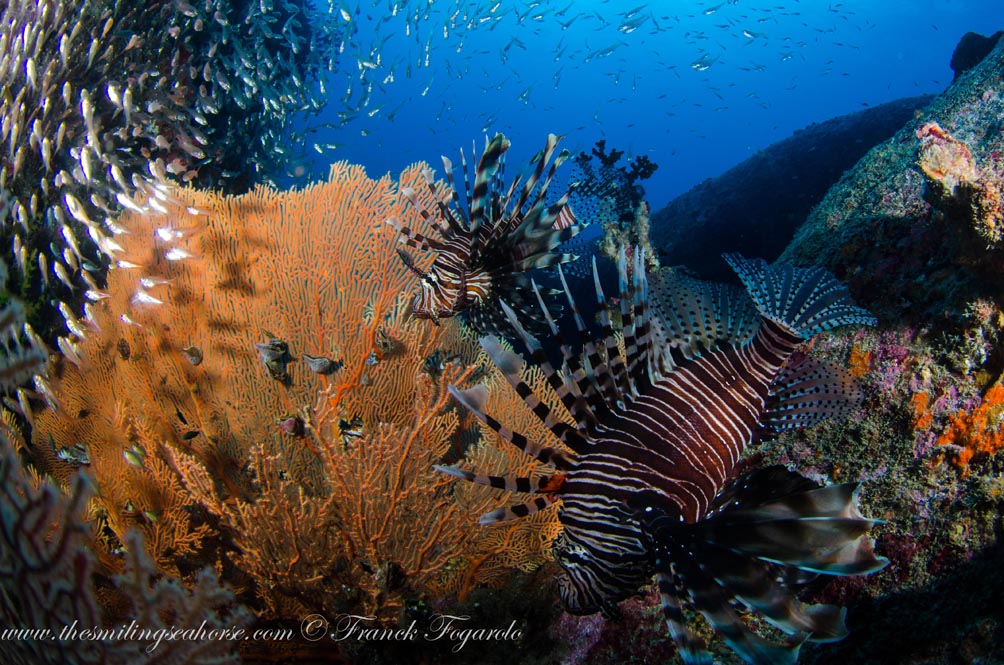
In the Marine National Parks of the Similan Islands and the Surin Islands you’ll see over 200 species of hard coral spread amongst walls, coral gardens and pinnacles, where turtles, giant trevallies, schools of Jack fish, barracudas, and many kinds of tropical fish, patrol. All this as well as one of the best dive sites in the world, Richelieu Rock – one of the few dive sites in the world so special it has its own website.
 Myanmar and the Mergui Archipelago
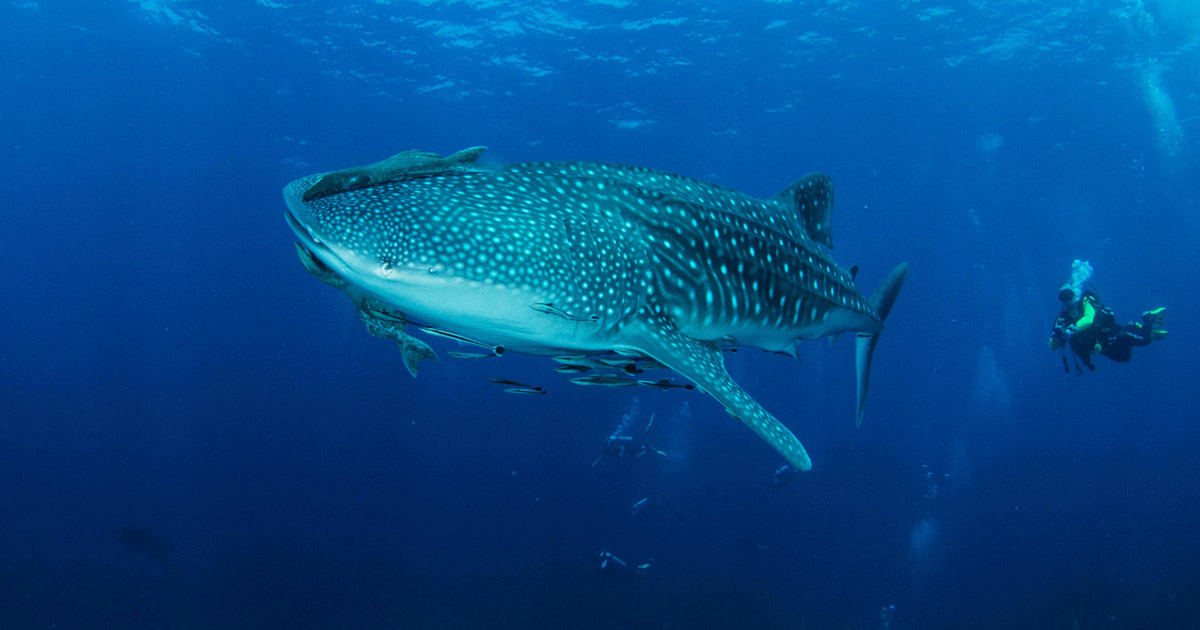
Still relatively undiscovered and under-explored, Myanmar’s Mergui Archipelago offers marine life for all kinds of underwater fauna lovers. From mantas, dogtooth tunas, and barracudas to frogfish, cuttlefish, and seahorses. Macro lovers can expect to see all kinds of crabs, shrimps and experience some rare macro interactions.
Many different kinds of sharks also populate the area. Its reefs are some of the most impressive, not just because of the beauty of the corals, gorgonians and table corals but also because of their size.
The Phinisi
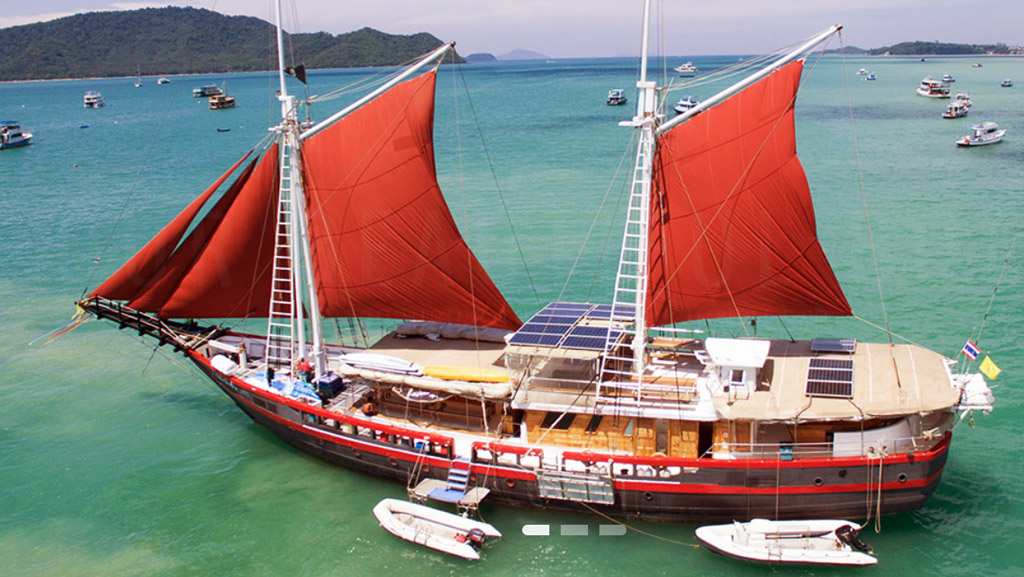
The Phinisi Liveaboard, which starts operating in November 2018, has three itineraries offering the very best diving in Thailand and Myanmar: in the south: the islands of Koh Haa, Hin Daeng and Hin Muang; in the north: the Similan Islands and Surin Islands (and the infamous Richelieu Rock); and in Myanmar: the Mergui Archipelago.
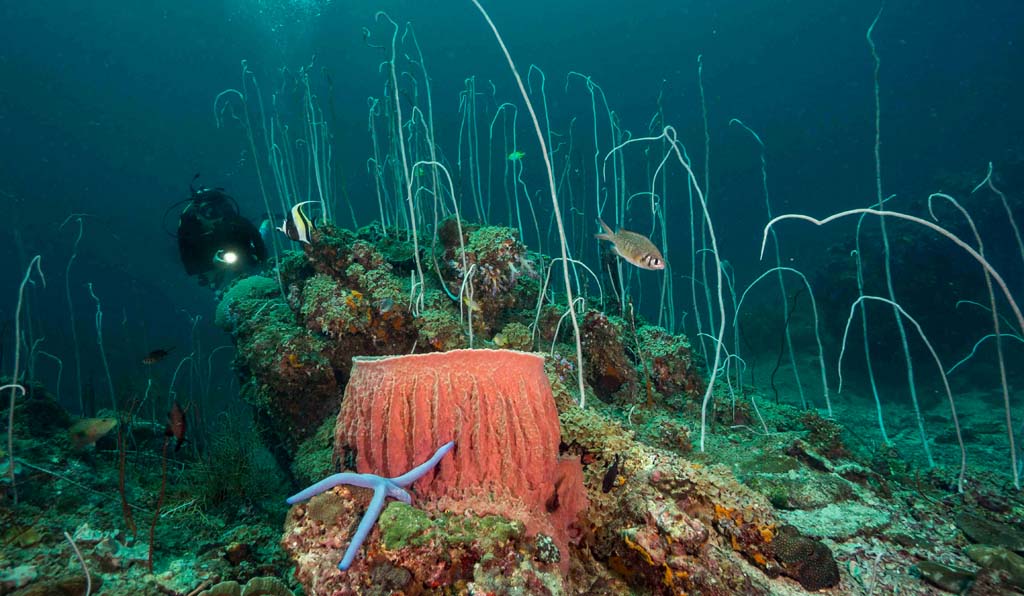
The Phinisi is a 34m custom built diving liveaboard yacht of traditional Indonesian gaft rigged Phinisi style with 7 sails. She hosts 18 guests in 7 en-suited cabins. The main deck features a large indoor salon with comfortable sofas and personal storage. There is an outside dining area with bench seating to the rear complete with full refreshment making facilities. Forward of the Salon is the dive deck, outdoor shaded relaxation area and camera charging station. Upstairs is the large half covered sun deck with cushioned loungers for après dive cocktails.
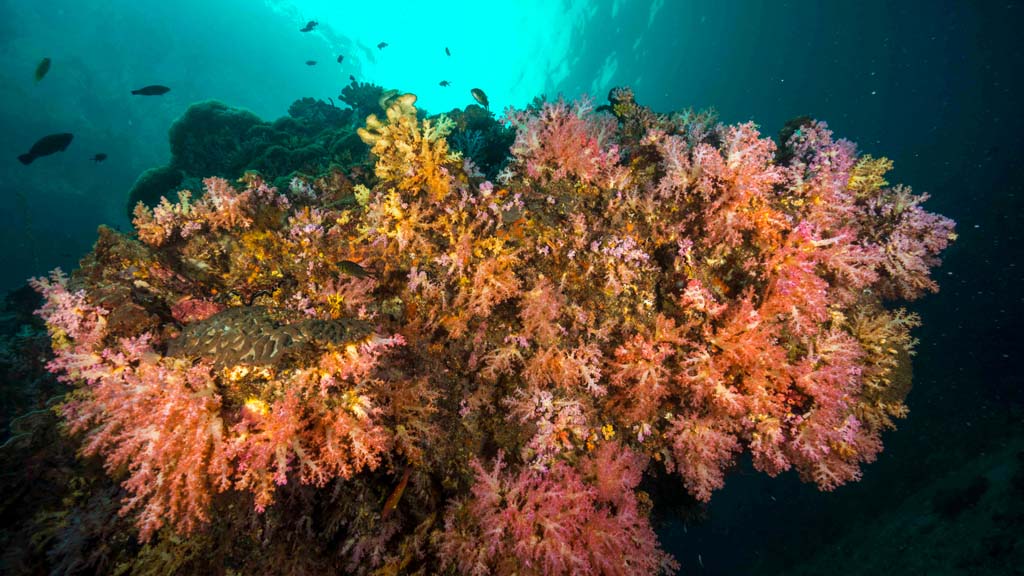
40% Discount
Celebrate the launch of The Phinisi with a 40% discount on all Thailand trips from November 2018 to January 2019. Choose from a 4-DAY Southern Trip: Koh Ha, Hin Daeng and Hin Muang, or a 6-DAY Northern Trip. OR do the two itineraries back to back for a 10 night best of Thailand trip from just USD 1620 pp (quad-share). Find out more HERE.
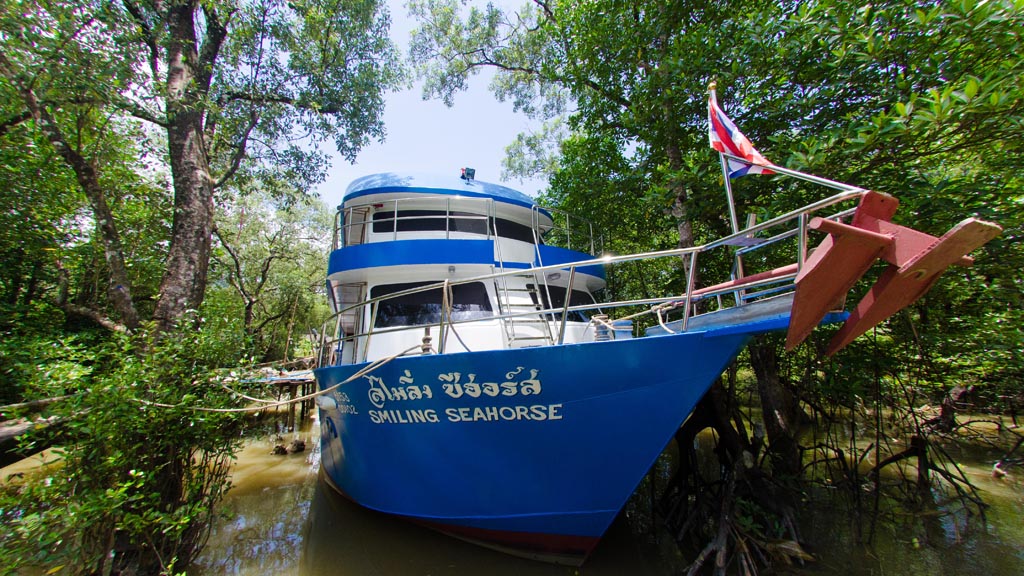
The Smiling Seahorse
The new MV Smiling Seahorse Liveaboard commenced operations in October 2018. With itineraries in Myanmar and Thailand, an experienced and knowledgeable crew, the MV Smiling Seahorse liveaboard presents the best opportunity to dive some of the region’s least explored dive sites in air-conditioned comfort.
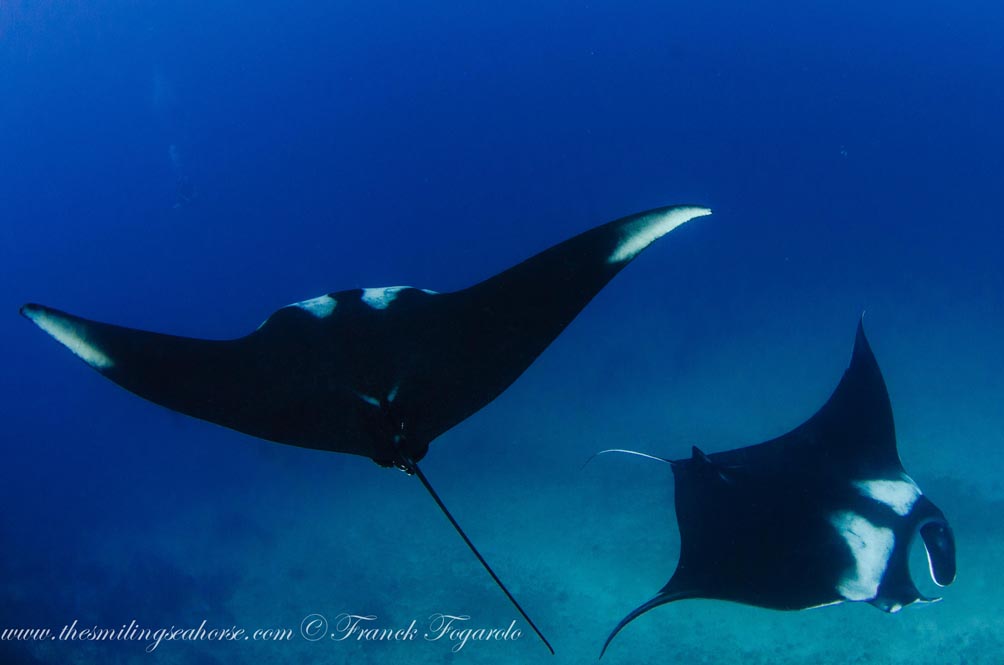
Dive Thailand’s Richelieu Rock, considered one of the Top Ten Best Dive sites in the world, or visit the Torres Islands or the Burma Banks for some exploratory diving to sites that have rarely been dived before. The Smiling Seahorse can also take you to Western Rocky in Myanmar, highlight of which is a tunnel/cave at 20m that goes right through the island, plus a dive in a volcano the very next day with some very rare marine species.
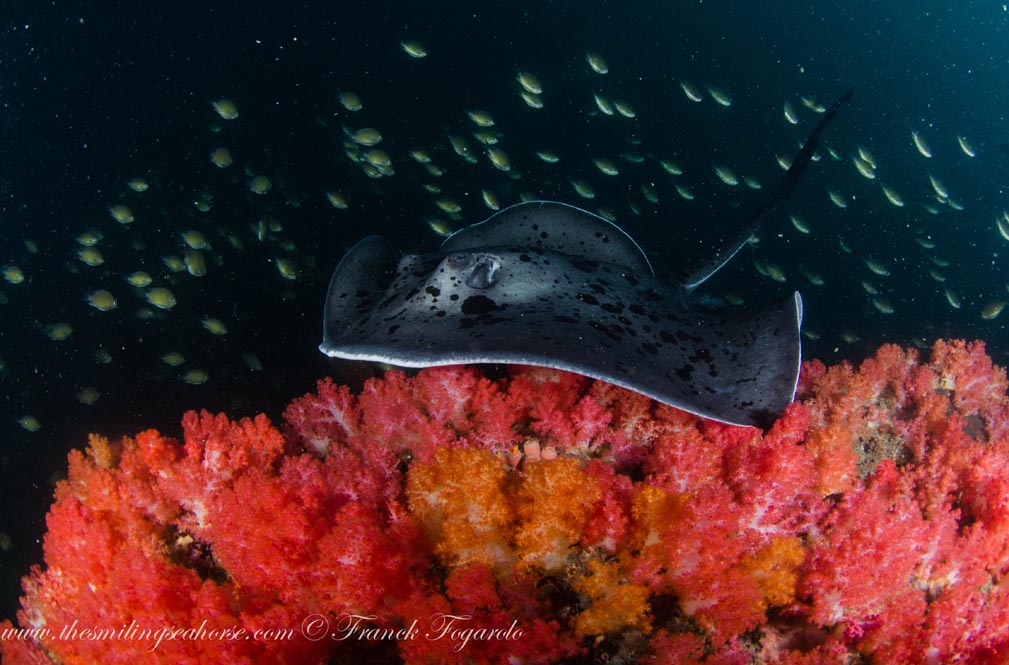
Get the gang together.
To celebrate their launch, the MV Smiling Seahorse liveaboard every fifth diver goes for free. So find four friends to join you and you could cruise for FREE. This offer, effectively a 20% discount for a group of 5 is available on their first six Thailand trips, and also Trip 3 The Mergui Archipelago on the 7-12 December trip. Find out more HERE.
Hotel Review: Shanghai Mansion in Bangkok’s Chinatown
Hidden behind a lively street front bar in the heart of Bangkok’s Chinatown, is a luxurious oasis: a step back in time to 1930s Shanghai. Beyond the glamorous jazz bar and fine dining, a peaceful atrium, the centrepiece of which is a pond, surrounded by deck chairs, day beds and antique furniture and overhead, colourful paper lanterns.
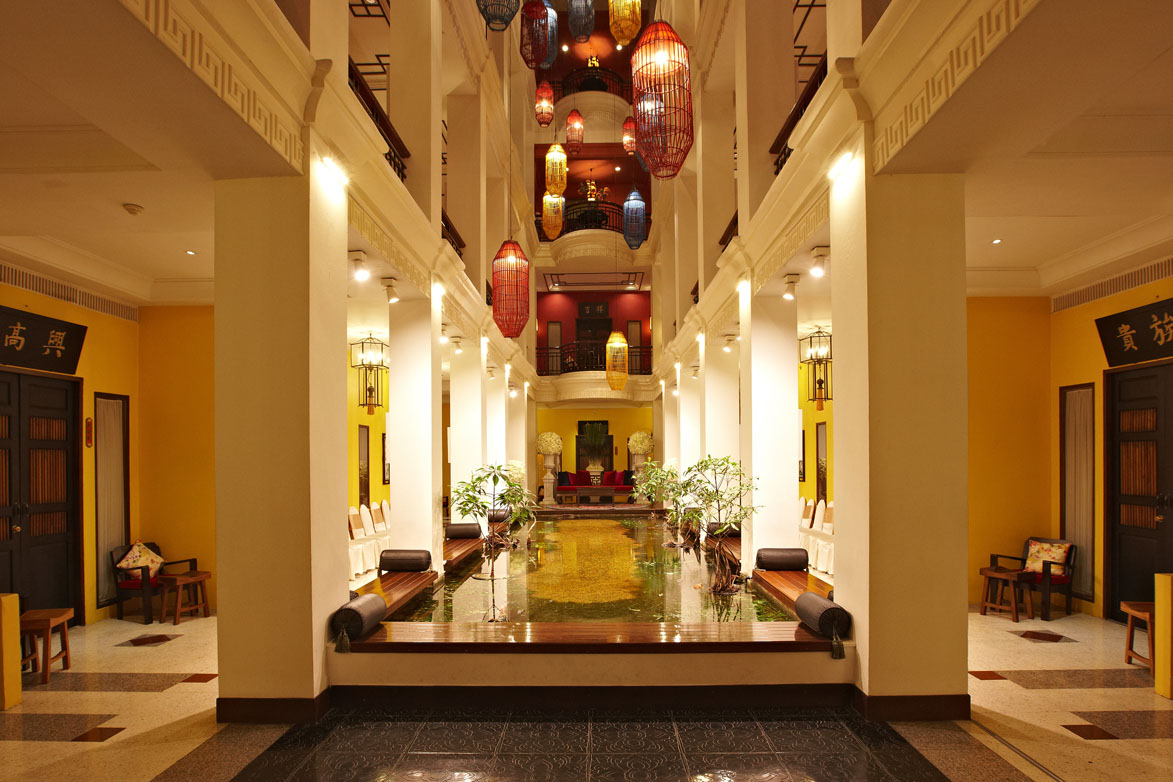 Continue reading “Hotel Review: Shanghai Mansion in Bangkok’s Chinatown”
How Anantara Resorts are saving Si Kao’s dugongs
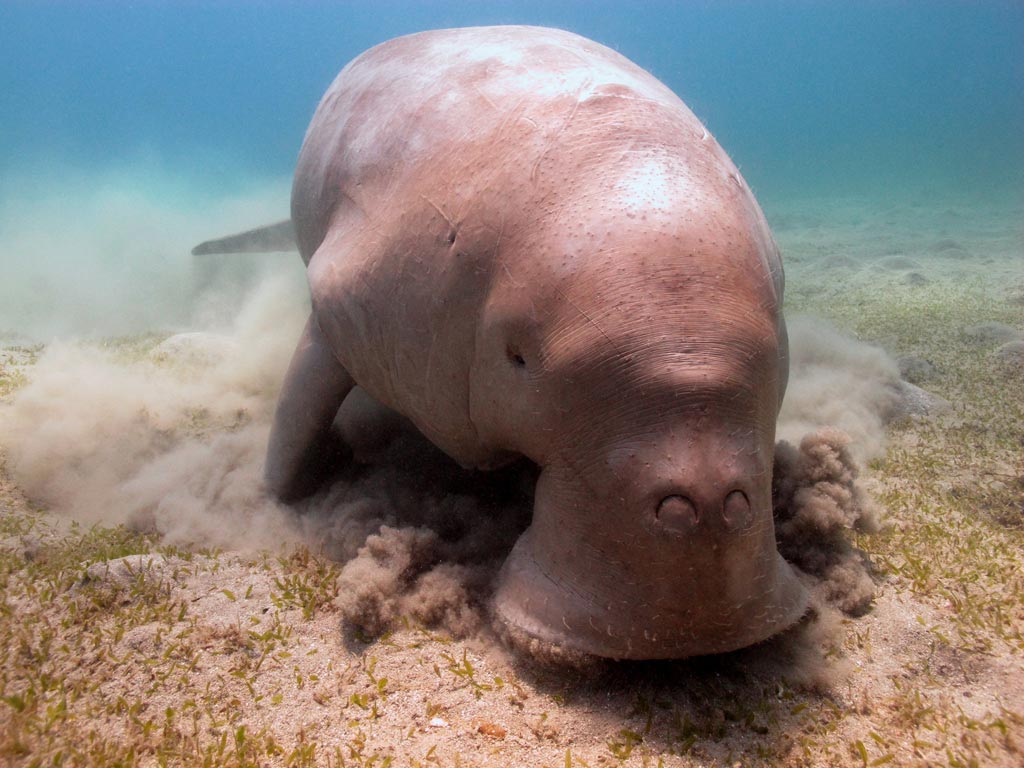
Not far from Phuket, you can experience unique encounters with one of the world’s most endangered animals; dugongs in Si Kao.
These loveable ‘Cows of the Sea’ are sadly endangered, mainly due to loss of habitat, losing their seagrass grazing ground to coastal development. Anantara Resort Si Kao Resort has developed a new eco-tourism experience to help save them.
Si Kao is in the southern Thailand region of Trang, a coastal town around an hour’s drive south of Phuket which is famous for its dugong population. It’s the main tourist attraction here, but sadly, their numbers are decreasing. Latest estimates put their number at around 150.
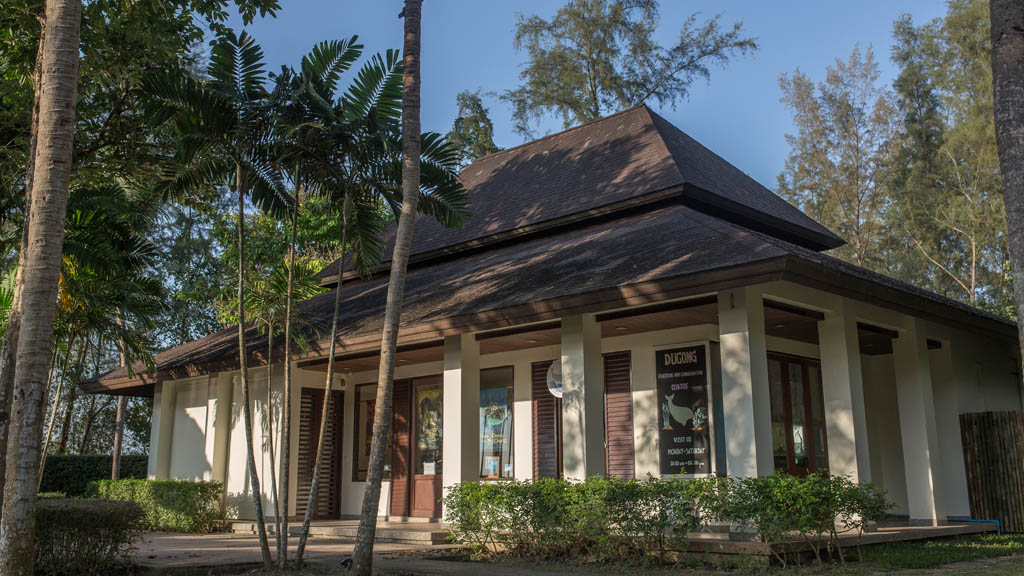
A few marine conservation groups are doing what they can to save this dwindling population, and they now have the support of Anantara Si Kao Resort. As well as supporting local conservation efforts, the resort’s sustainability manager, Mark Isenstadt, takes guests on a Dugong Experience day trip in which you can learn all about dugongs, their habitat, behaviour, threats and what we can all do to help.
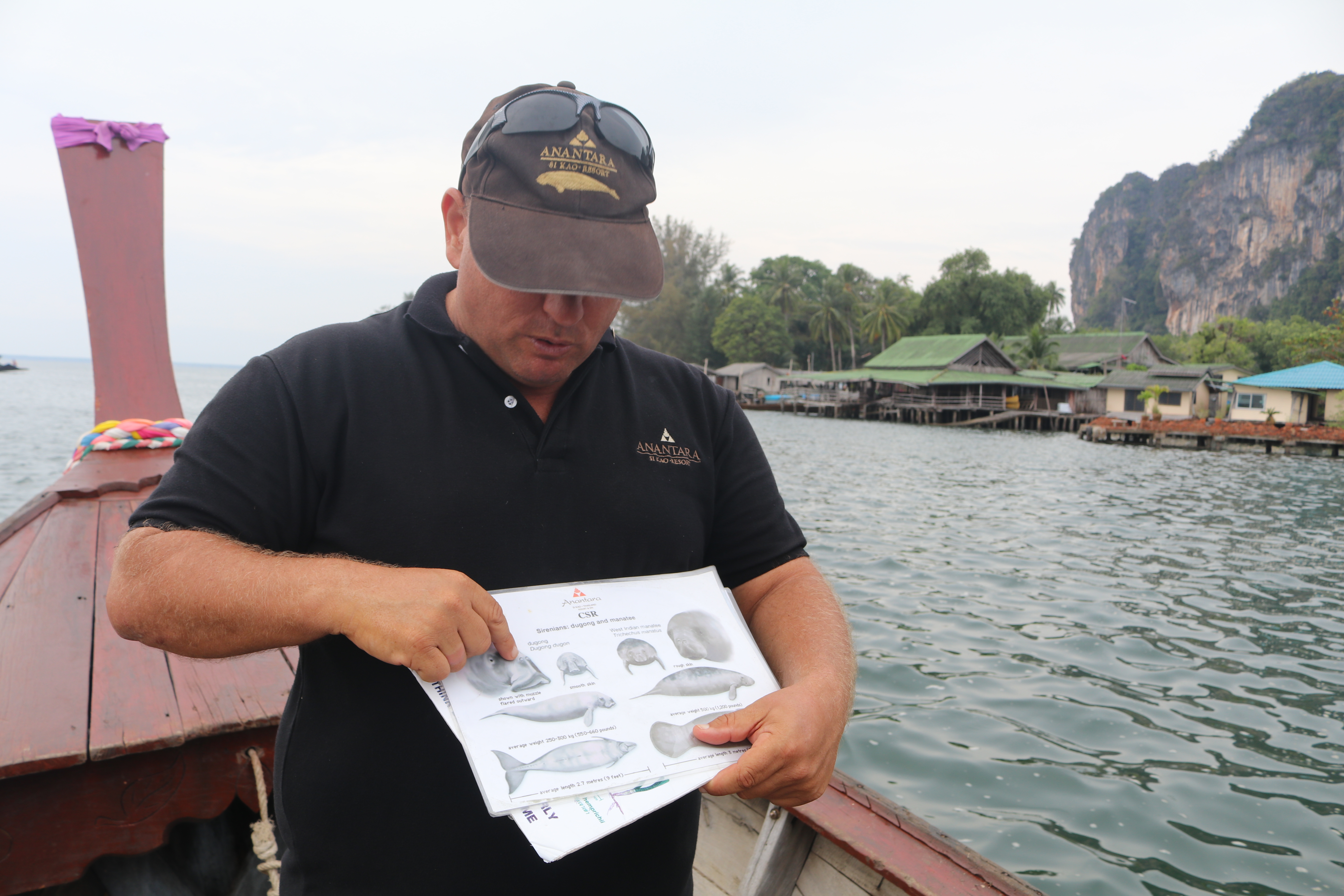
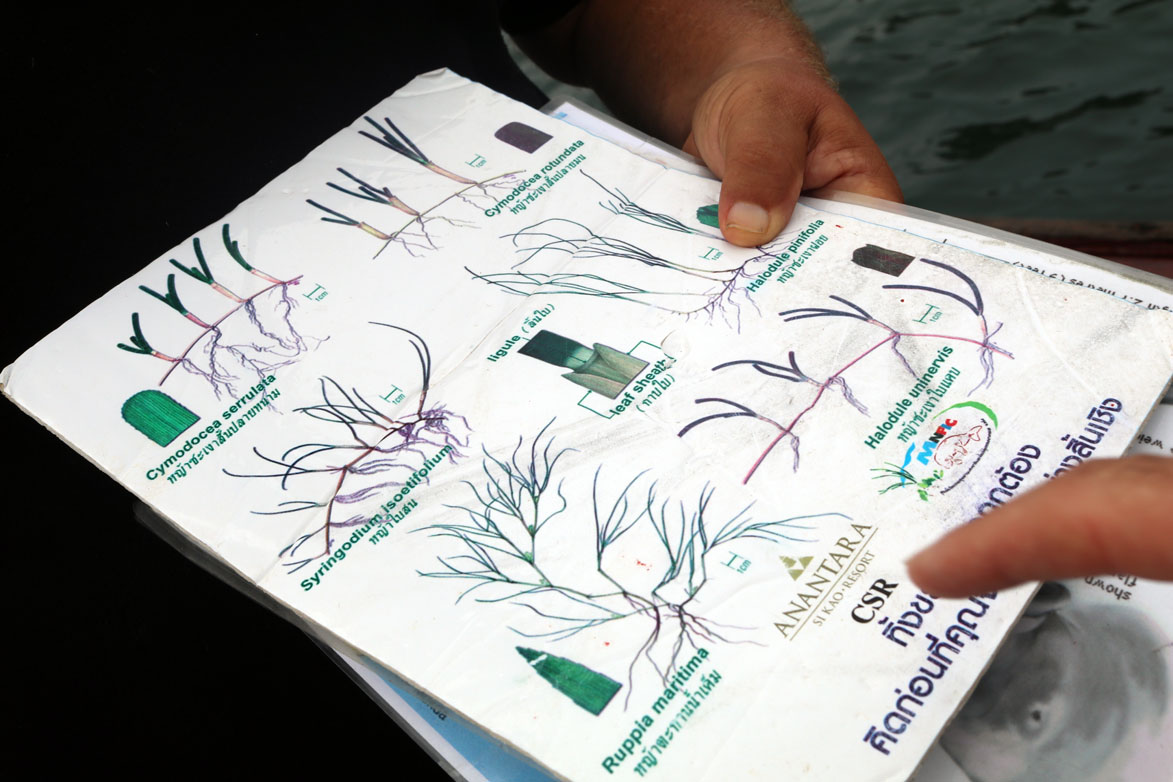
The long-tail boat tour starts with a lesson about sea grass – which is a lot more interesting than it sounds because Mark is a passionate story teller. Sea grass forms the main dietary component for dugongs, and sadly the world’s sea grass beds are disappearing due to coastal development. But that’s not the only threat to dugongs, as Mark explains, many are caught in fishing nets or injured by boats in the busy waterways that surround Trang and the islands in the southern Andaman Sea.
A marine reserve has been established at Koh Libong, which is where the tour takes you next, to see these delightful ‘sea cows’ that once fooled short sighted sailors into thinking they’d seen a mermaid. The boat idles slowly through the marine reserve as the keen-eyed skipper looks out for dugongs, and while it’s hard for kids to stay quiet, the quieter you are, the more likely you’ll spot them.
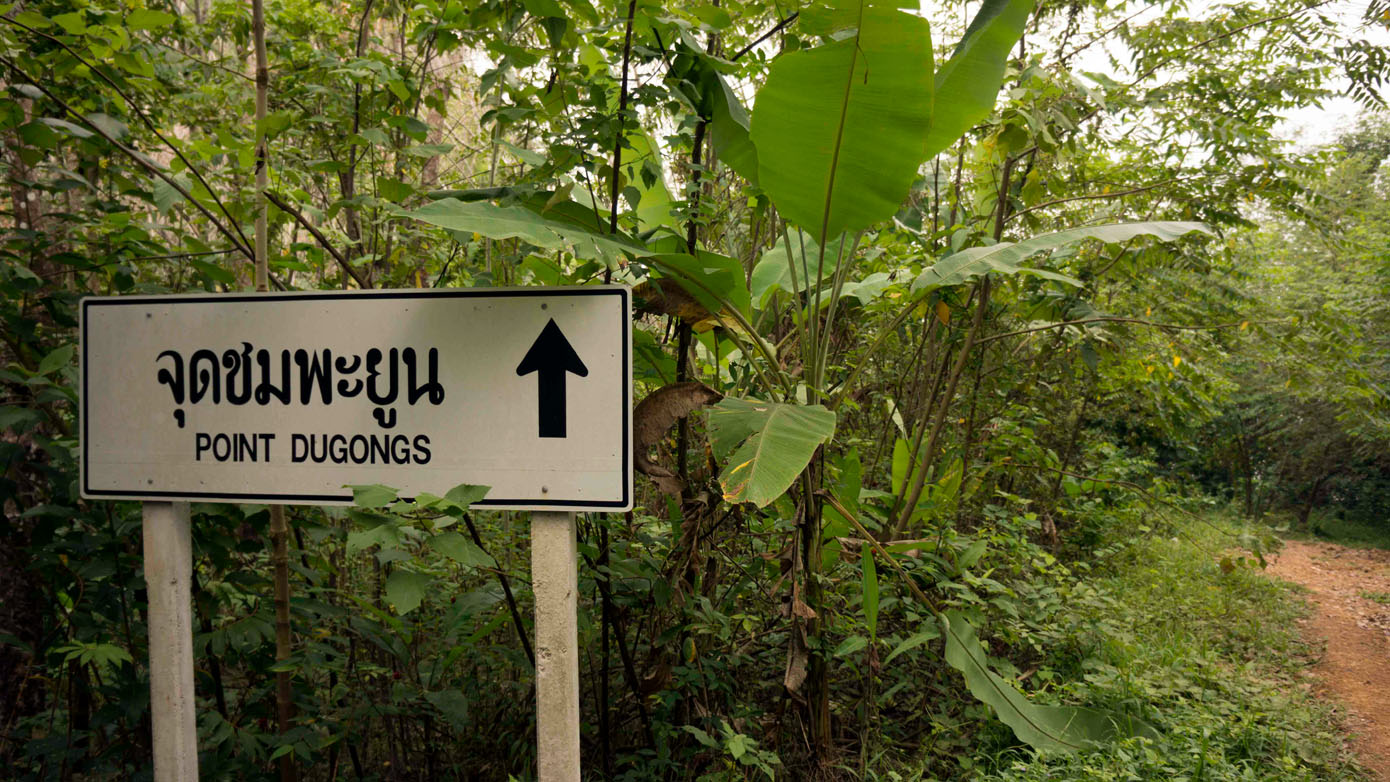
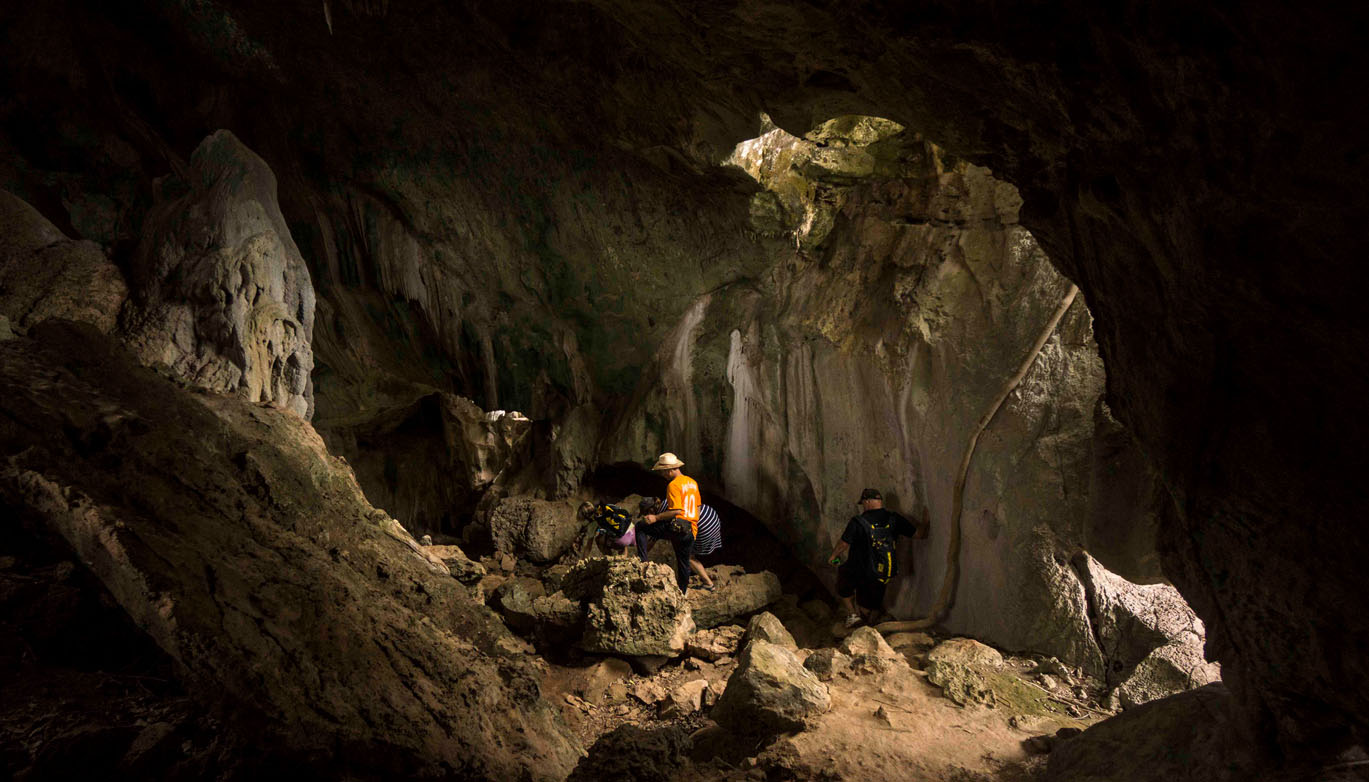
After an hour or so of dugong spotting, the tour takes you to a small fishing village for lunch before the next part of this adventure, this time using another traditional Thai form of transport, a tuk tuk. The tuk tuk takes you to the base of ‘Point Dugongs’, a tall limestone carst with a viewing platform at the top, which you reach by climbing through a series of caves. There’s not many places you can climb a mountain from the inside, it’s an adventure in itself passing through caverns, making your way to the top along narrow paths around large stalagmites and stalactites.
The view from the top is spectacular, the perfect viewing point for dugong spotting, and it shouldn’t be long before you spot one or two in the clear water far below.
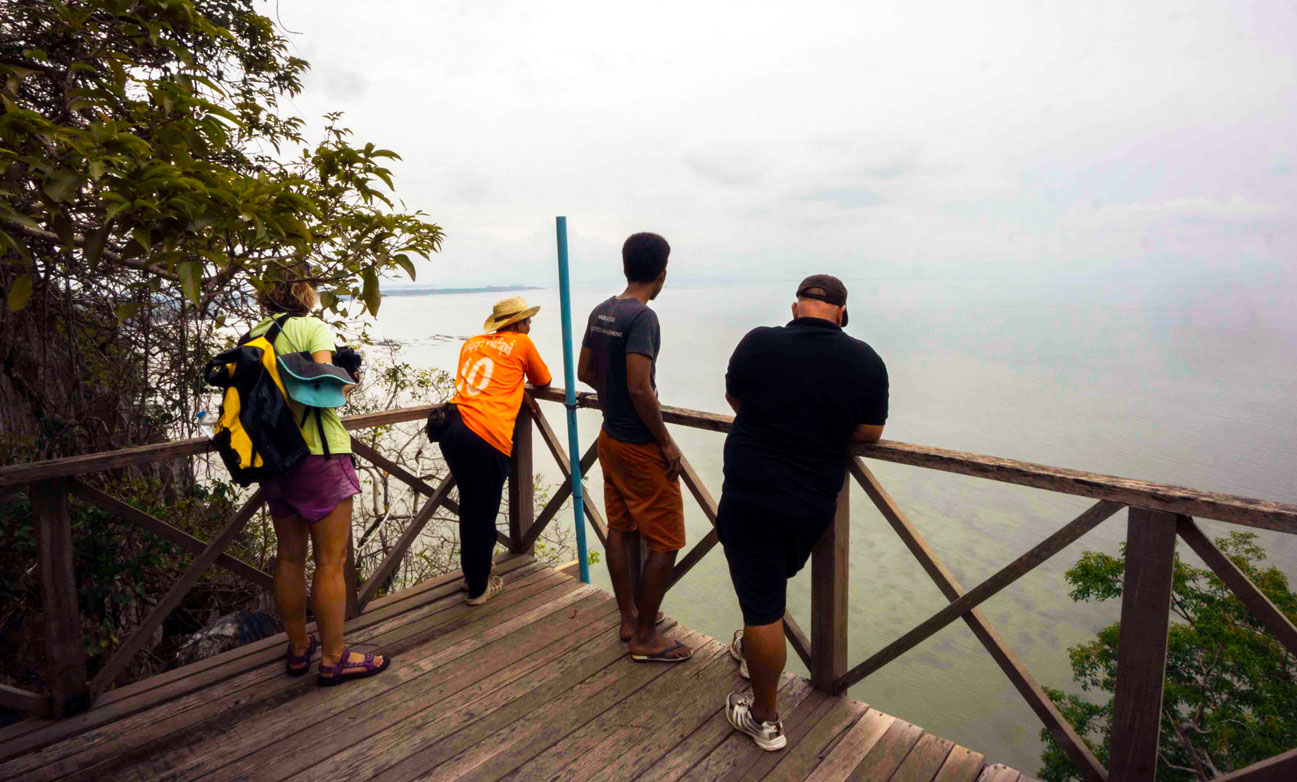
While it’s an amazing view, it’s also clear from this height that the marine reserve is too small. Local conservation groups are trying to have the area increased, and a big part of this fight is educating local villagers on the benefits. Anantara is helping with this too. The resort is building a Dugong Education Centre, where they can bring locals and school groups, to teach them all about dugongs, how they can help save them – and perhaps benefit from dugong-related tourism.
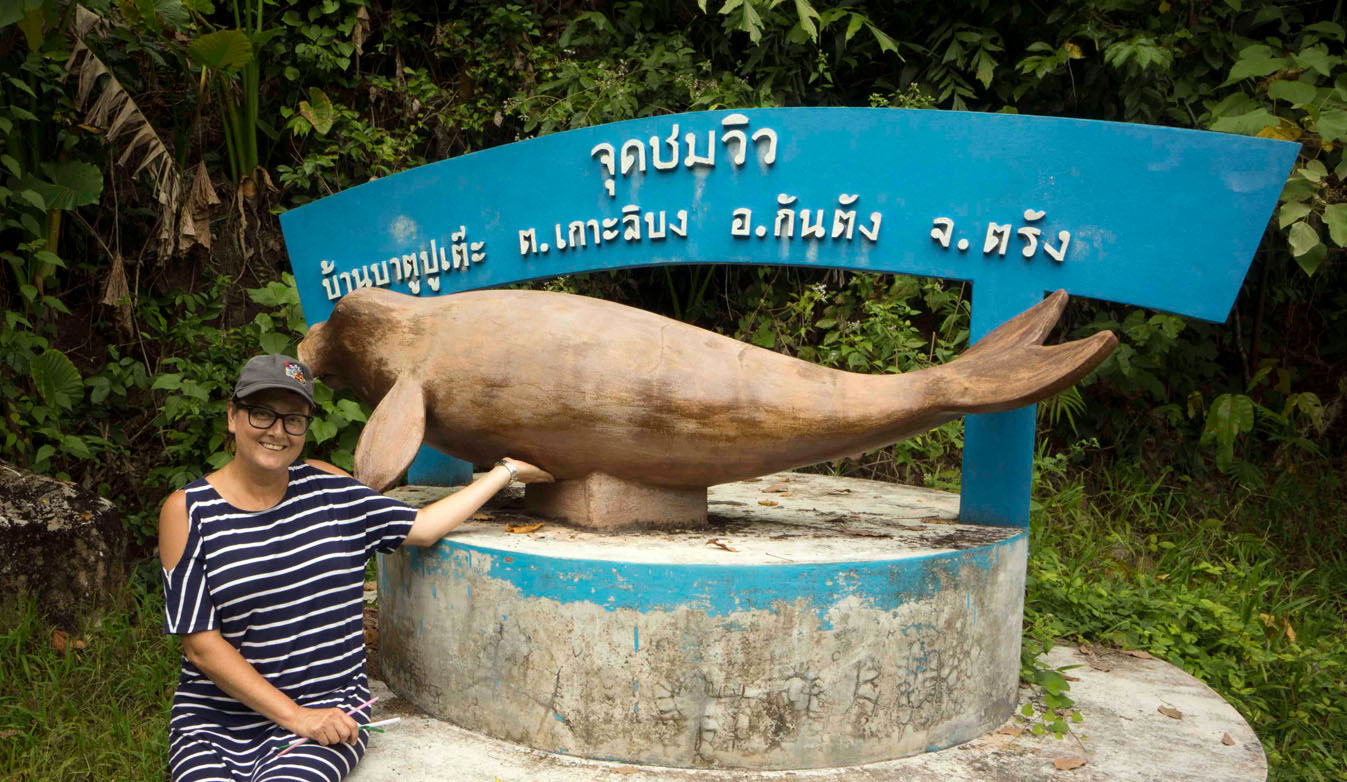
For more information, visit Anantara’s website.
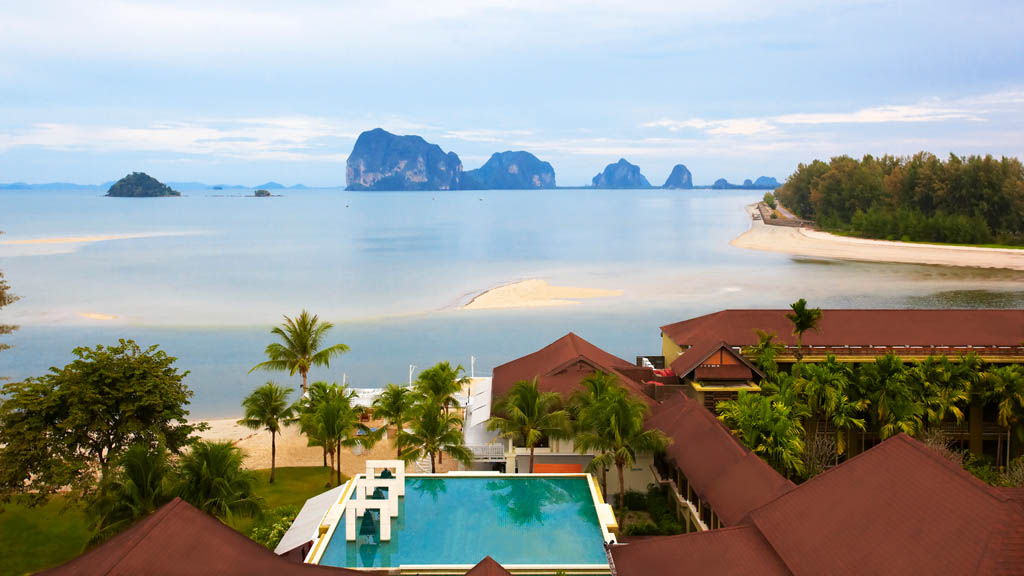
7 Incredible Things to See in Thailand
These vibrant natural landscapes, lively cultural spaces, and sparkling hotels are all must-sees (and must-stays) in Thailand according to the experts at Expedia.com.au.
Natural Wonders
Khao Sok National Park
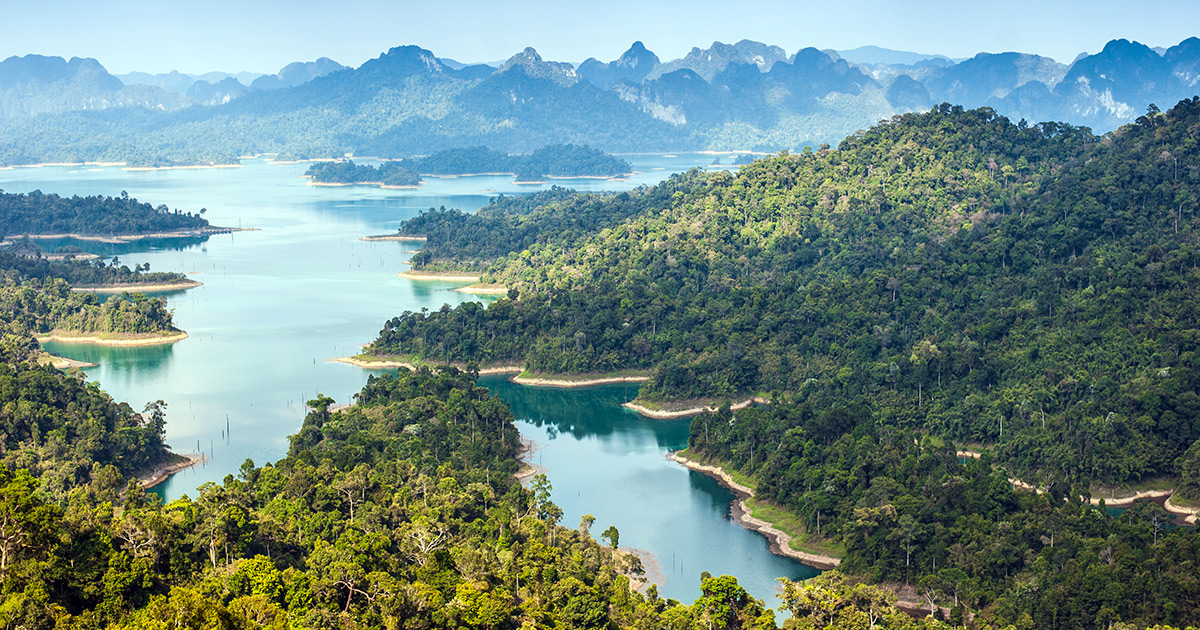
Located in Surat Thani province, Khao Sok National Park is carpeted with thick rainforest, freshwater lakes dotted with islands, and towering limestone cliffs. Sign up with a local guide for a single or multi-day jungle trek.
Tham Lot
At a length of 1666m, this cave system in northern Thailand is one of the largest in the world. With the Nam Lang river flowing through it, one of the best ways to explore its enormous caverns is to punt downstream on a bamboo raft.
Red Lotus Sea
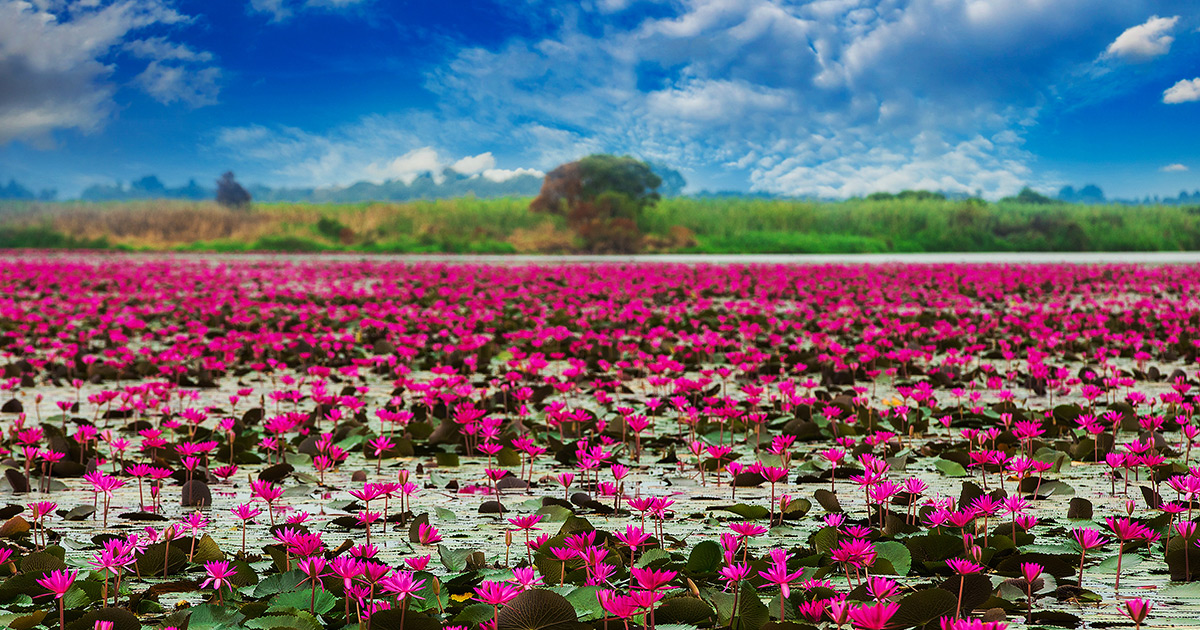
No exaggeration, Nong Han Kumphawapi Lake is literally covered with pretty red and pink lotus flowers. If you’re travelling with a special someone, this is a great place to visit.
Historic Landmarks
Grand Palace
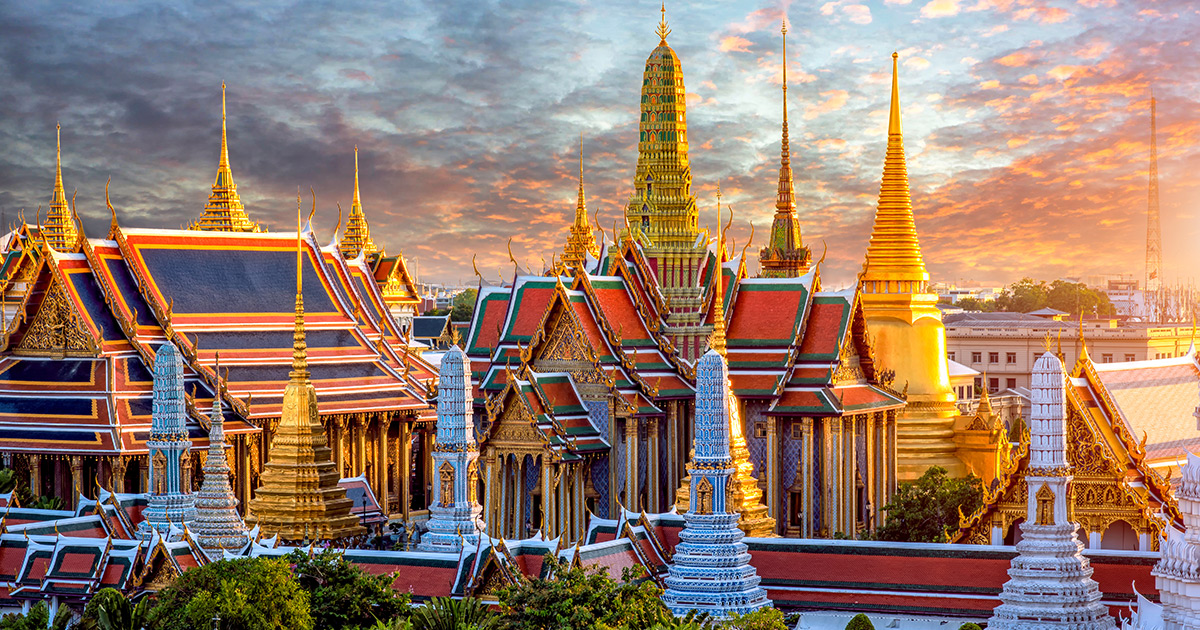
Looking to take an epic selfie? Park yourself in front of the Grand Palace and snap away. This royal residence is one of the most recognizable buildings in the world. The complex also includes gardens and the Temple of the Emerald Buddha.
Khmer Temples
If you’re travelling in eastern Thailand, it’s a good bet you’ll be near a Khmer temple. Some of the more well-known include Prasat Sdok Kok Thom, Prasat Hin Phanom Rung, and Phimai Historical Park.
Khaosan Road
It doesn’t really matter whether you venture down this street in Bangkok’s Chinatown in the middle of the day or the middle of the night, there’s always something to do. Eat weird and wonderful street food, drink local beer, and haggle like you’ve never haggled before.
Damnoen Saduak
Damnoen Saduak market is Bangkok’s most famous floating market and there are several other smaller more authentic choices to explore. At Damnoen you can browse for souvenirs, cheap clothes and tasty takeaway by long tail boat and canoe instead of shopping trolleys!
PLUS three rather incredible hotels…

Royal Cliff Resort Pattaya
This enormous cliff-top resort has 11 restaurants and one of the largest lagoon swimming pools you’ll ever see!
Bodhi Serene Chiang Mai
This gorgeous boutique hotel sits inside Chiang Mai’s old city walls, nestled amongst old temples bringing back centuries of culture and blessings.
Wora Bura Hua Hin Resort & Spa
Hua Hin is Thailand’s first seaside resort town and the style of this grand hotel reflects the early colonial style.
First Timer’s Guide to Thailand
If you’re considering making your first trip to the Land of Smiles, you probably have a few questions. We asked the team at Expedia.com.au to provide practical advice, plus some of the best things to do and the best places to visit in Thailand. Continue reading “First Timer’s Guide to Thailand”
Elephant Hills: where to have a family-friendly ethical elephant encounter
Not far from Phuket, Elephant Hills provides families with a truly immersive Thai experience. An ethical elephant encounter and a rainforest glamping experience. The Elephant Hills adventure – or safari – starts with an early pickup from your Phuket hotel and a 2.5-hour journey to your first camp, an elephant sanctuary in the Khao Sok National Park.
Surrounded by tall limestone karst mountains, the view from the restaurant across dense rainforest to the Sok River is pretty spectacular. The Sok River provides the first adventure as you head downriver to the elephant sanctuary in canoes.
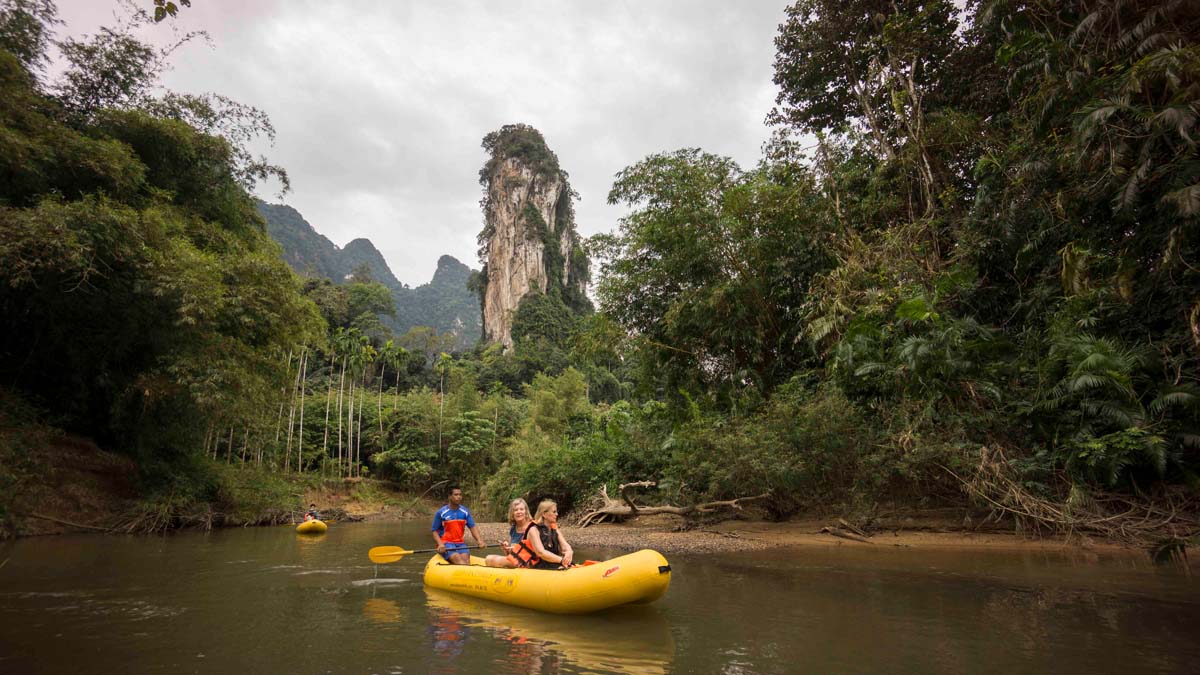
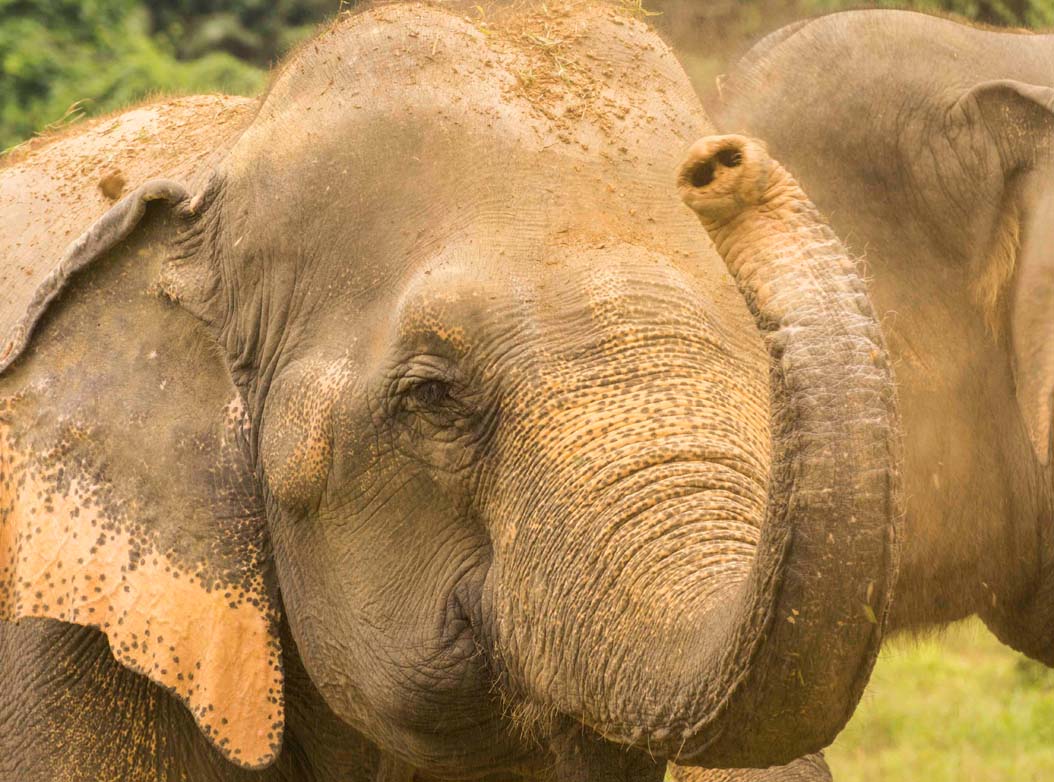
After a peaceful hour rafting downstream you get to meet the elephants. Elephant Hills’ 14 resident elephants previously had a hard life working in the logging industry or giving tourists rides. Each has a mahout (male carer) and friends among the group, and tourist visits help pay for their retirement.
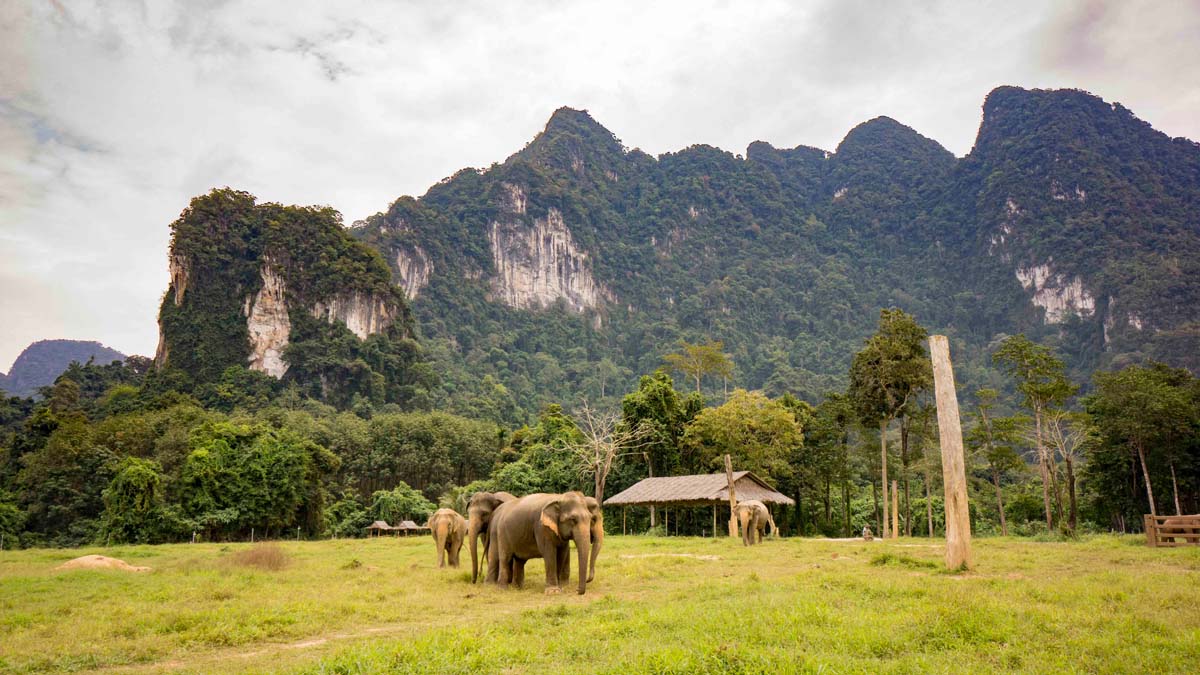
Upon meeting the elephants you’ll be given a comprehensive lesson on everything from their behaviour in the wild, their use in the now defunct logging industry and what has eventually brought these beasts here, to a sanctuary in the far south of Thailand, a long way from home.
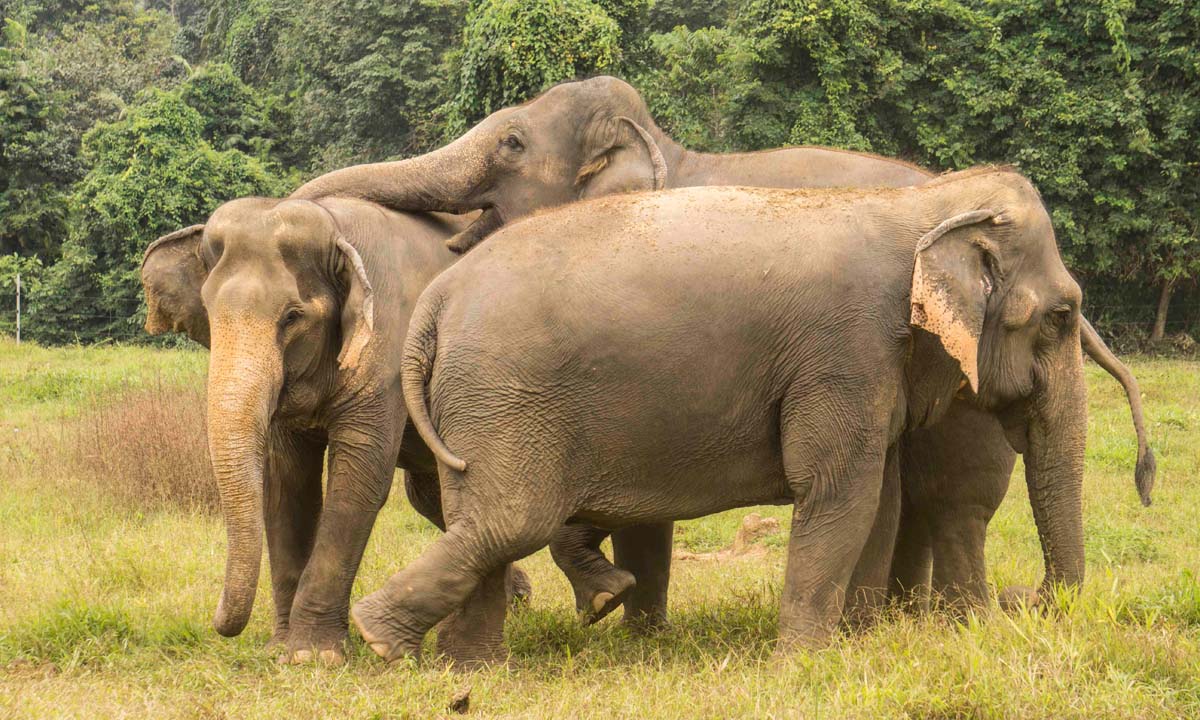
Quite simply, there is little natural environment left for Asian elephants to survive in, the logging industry has left disconnected pockets of rainforest throughout Thailand. So, it’s hard for elephants to survive as they normally would, but also, some of these beasts have been domesticated for so long they’ve forgotten how.
There are now many national parks in Thailand, the result of a grass roots-led environmental movement that started back in the 1980s. Thais visit their own national parks more than any other nationality – the parks are not there purely for the benefit of international tourists. Looking after the natural Environment is a value that fits well with Buddhist philosophy, so after success of the grass roots environmental movement back in the 80s, it became something taught to the younger generation of Thais in schools by Buddhist monks.
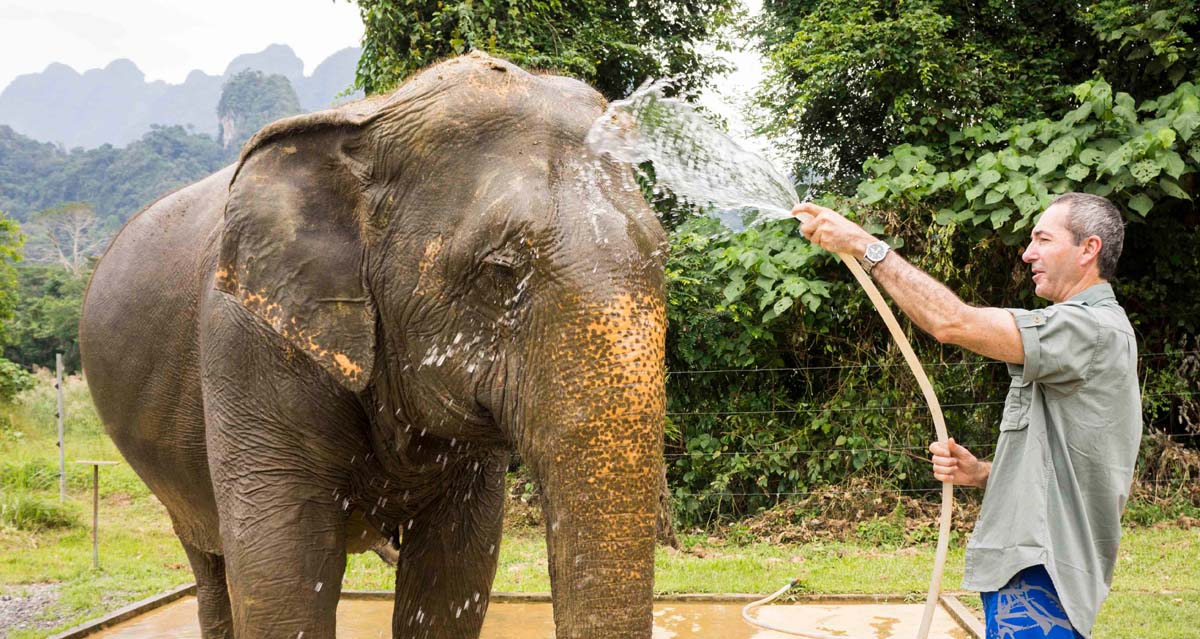
Most elephants in southern Thailand have travelled from North and Central Thailand, bringing with them their Karen Mahouts who, dressed in colourful traditional garb, click, cluck and slap their cheeky charges into line as the visitors learn how to give them a scrub, before preparing a lunch of pineapple, bananas, sugarcane and elephant grass.
Having exhausted elephant food supplies, a safari bus takes you back to camp to watch a documentary about elephants, followed by cooking demonstration and a dance recital by local school kids that the resort supports financially.
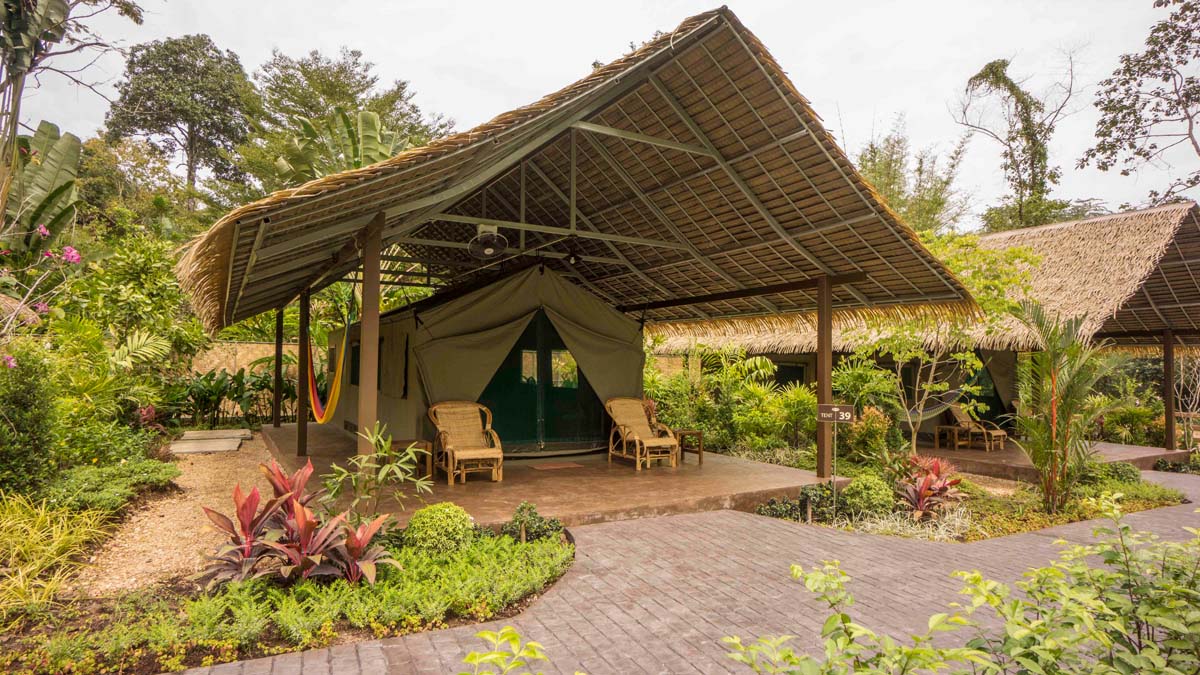
The next day your adventure continues at a second camp – a floating camp on Cheaw Lan Lake. The lake was created by the construction of Ratchaprapa dam, which provides hydroelectric power to the surrounding regions and has opened up this seemingly impenetrable mountainous jungle to visitors.
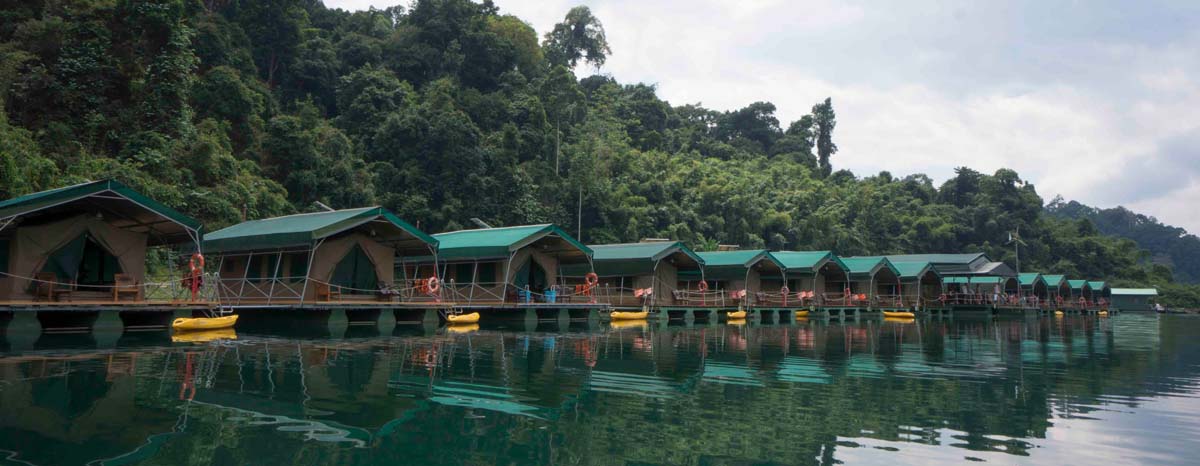 A long tail boat takes you across the lake to your floating tent, taking a few spins around the steep limestone pinnacles that dot the lake, former mountain tops that are now islands. This part of the adventure is more of a true jungle experience, starting with a 3-hour trek to a large cave, on the lookout for gibbons, dusky langurs, and if you’re really lucky, a sun bear.
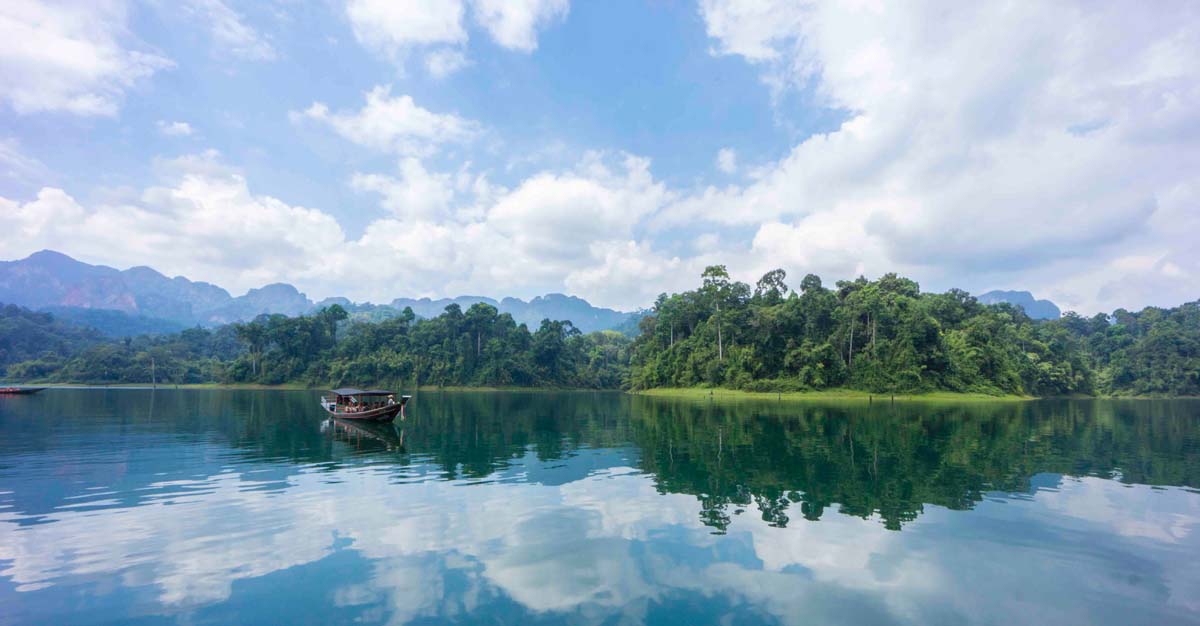
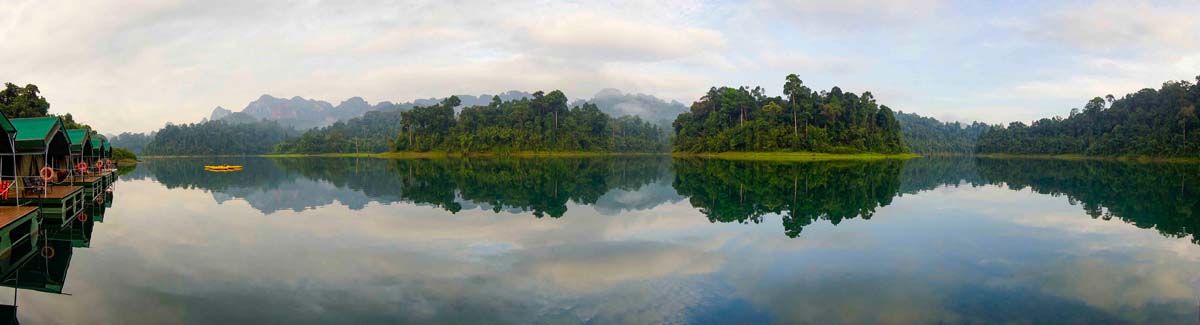
You’ll fall asleep to the sound of noisy monkeys, cicadas and bird song and the next morning, go for a paddle around the islands in search of them before returning to busy Phuket. Click here for more information.
All photos by Pete McGee.
5 Hotels in Thailand that will take your breath away
Looking for a dreamy Thailand holiday? The experts at Expedia have compiled a list of five hotels in Thailand that will have you day-dreaming of your next getaway.
- lebua at State Tower, Bangkok
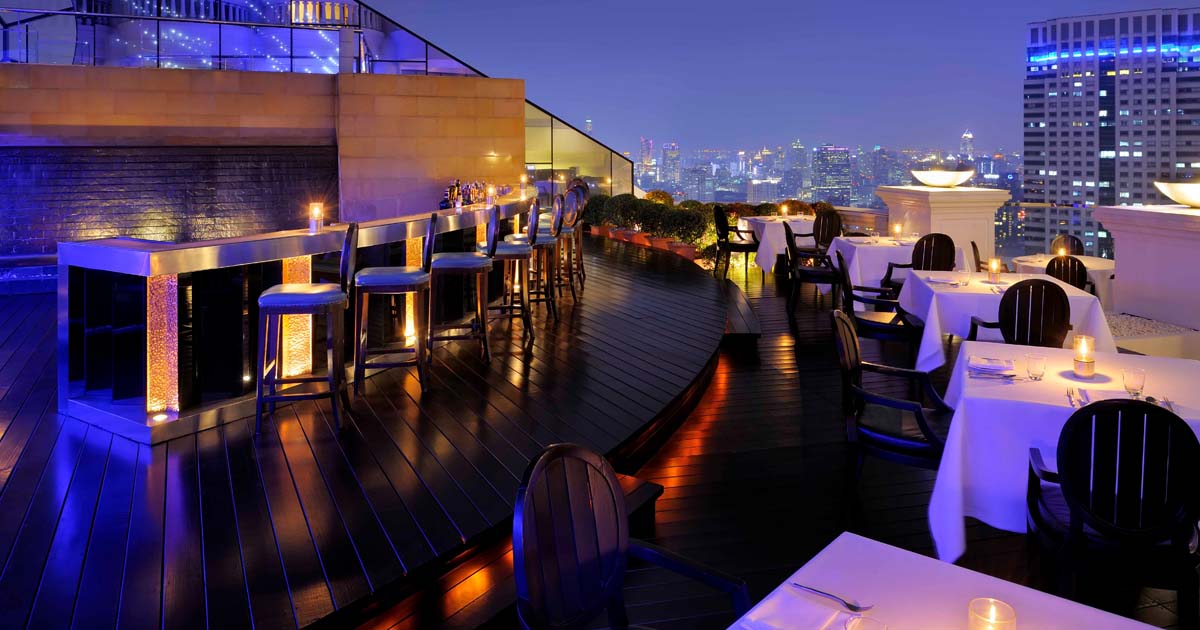
If your checklist includes incredible views, extravagant suites and Michelin-starred restaurants, look no further than lebua at State Tower. Hit the open-air pool on M Floor and when it’s time for dinner, make your way to the 51st floor to dine at Breeze, one of the finest restaurants in the city. Indulge in gourmet delights while taking in the best views imaginable, and cap your night off with a cocktail at Sky Bar.
- Amari Phuket
Located on Patong, one of the most popular beaches in Thailand, the Amari Phuket is the perfect choice for a romantic getaway. Just imagine waking up in your one-bedroom suite and eating breakfast on your private balcony while the ocean sparkles just a short walk away. But the luxury doesn’t end with your room—wait until you experience the full-service spa and the fine wine pairings at the on-site Italian restaurant.
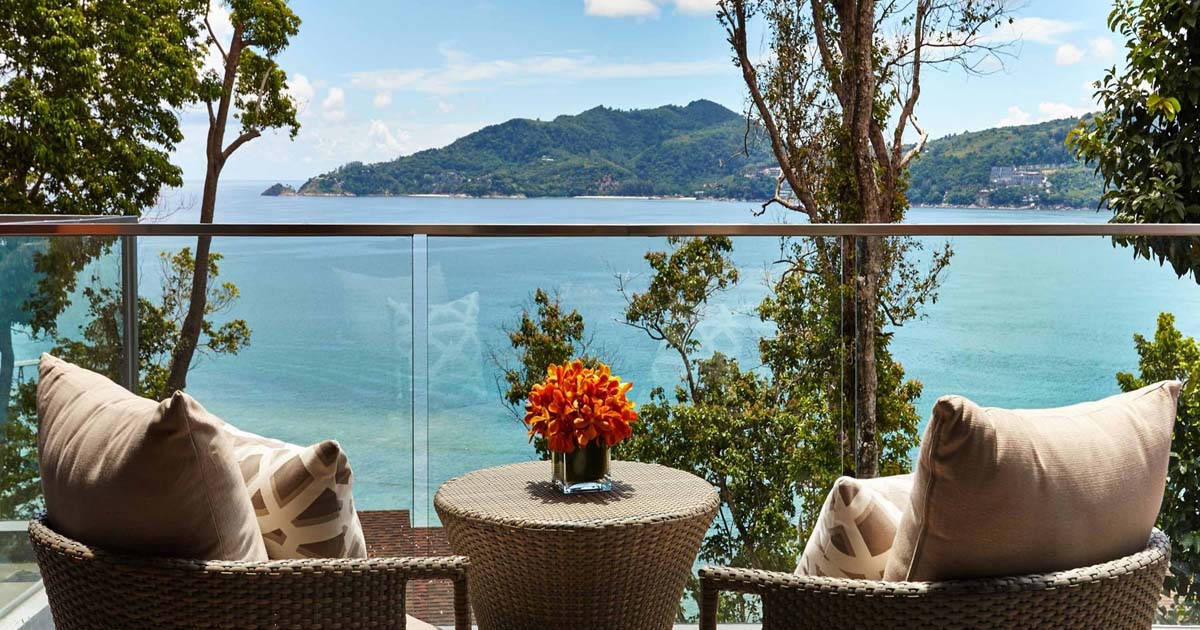
- Millennium Hilton, Bangkok
High above the city is a rooftop pool that has a lounge chair with your name on it, at the Millennium Hilton. Located on the banks of the Chao Phraya River, the view from your roof top lounge chair will be spectacular. When you feel like treating yourself, reserve a few hours with the experts at the spa and you’ll emerge feeling refreshed and relaxed.
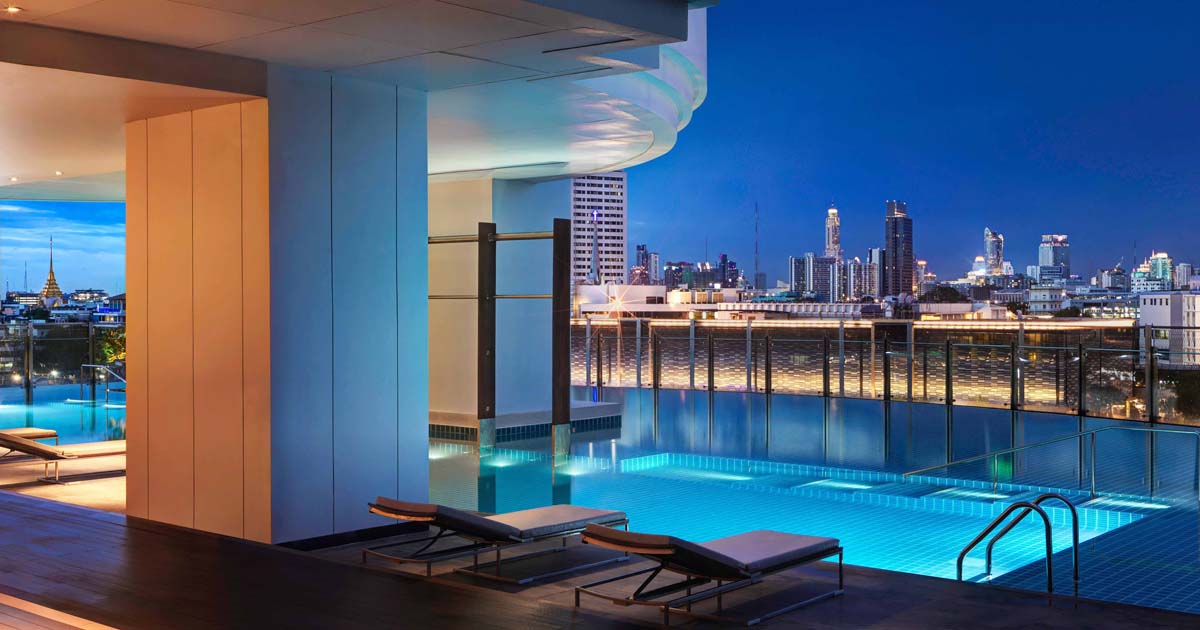
- Centara Villas Samui, Koh Samui
The second you arrive at Centara Villas Samui, you’ll realise this place redefines the definition of luxury. The villas have ocean views that are accompanied by private balconies —some even come with your very own hot tub and swimming pool. You never have to leave, but if you want to dig your feet into the sand, the resort’s secluded beach is just off the pool deck.
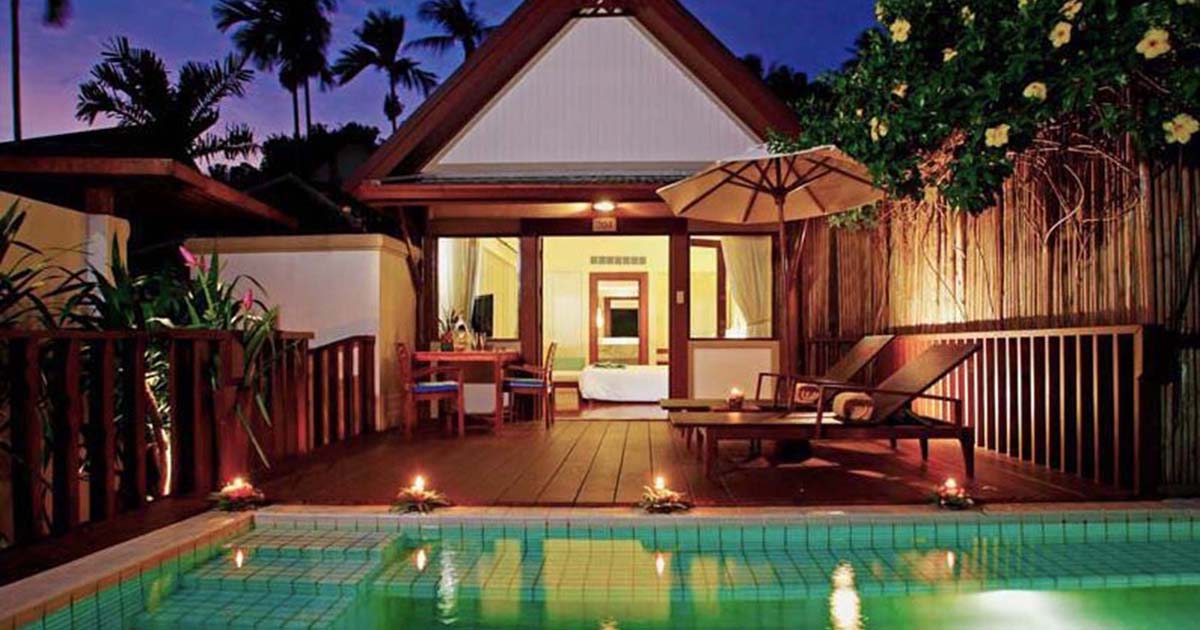
- Bhu Nga Thani Resort and Spa, Krabi
At the Bhu Nga Thani Resort and Spa you can start your day in your private pool villa and go for an early morning swim before breakfast is served. (That breakfast will consist of one of the most extravagant buffets you’ve ever seen.) After you’ve filled up for the day, catch a ride in a long-tail boat and cruise the pristine waters of Railay Bay.
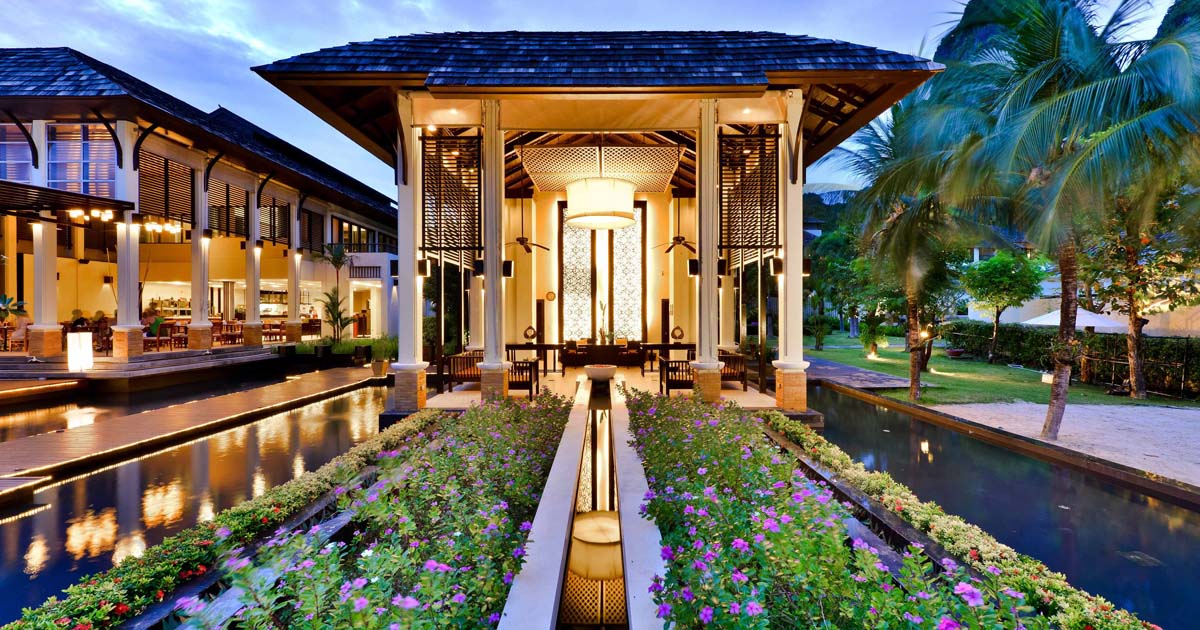
Take your Thailand holiday to the next level with a stay at one of these beautiful hotels. Private villas, oceanfront suites and Michelin-starred restaurants are all just waiting you you to complete the picture.
Bangkok Marathon: 7 Days to a Healthier You in Thailand
A recent Skyscanner Australia survey found that at least 1 in 10 Aussies plan to take a wellness, health or fitness holiday this year. Mental exhaustion is a key motivator but so too is a desire to get ourselves in better shape, drop old habits and improve our general sense of wellbeing. Travel writer and marathon runner Fiona Harper shares 7 days and 7 ways towards a healthier you in Thailand which she discovered recently following her participation in the Bangkok Marathon.
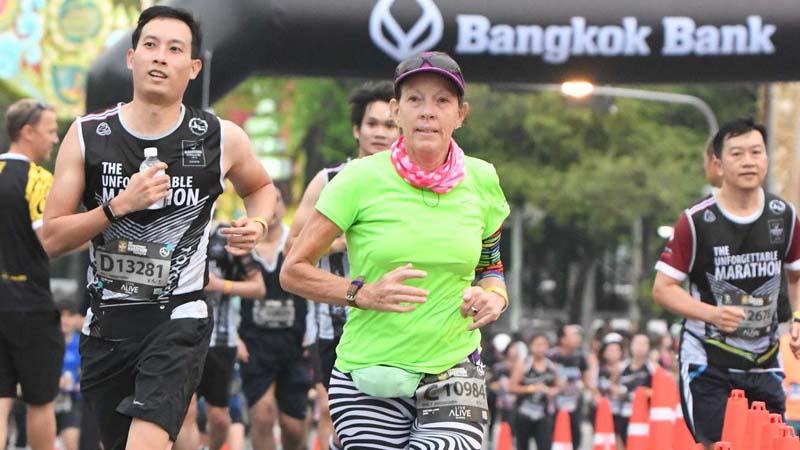
Day 1 Bangkok – Float your way to wellness
Upon arriving in Bangkok, the crazy traffic and big city smog can be an assault to the senses. We suggest you ease gently into your first day in Thailand with a therapeutic floating session. At the Bangkok Float Centre, first time floaters are guided gently through an introductory session which aims to relieve pain, improve athletic performance and increases endorphin production – the sort of high that runners know so well.
Day 2 Traditional Thai massage
When in Thailand a traditional Thai massage should be top of your list. When you visit the famous Temple of the Reclining Buddha, pop next door into the Watpo Thai Traditional Massage School. Watpo is the spiritual home of Thai healing and wellness, training practitioners who take their skills across the globe. It’s not the sort of place you’d visit for a luxury spa experience. However, Watpo excels in providing an authentic, healing half-hour Thai massage, which for approx. AU$10 is a screaming bargain.
Day 3 Lace up your running shoes
Join 13,000-plus fitness enthusiasts for the Amazing Thailand Marathon Bangkok (held in Feb) for the rare opportunity to run through Bangkok’s notoriously traffic-clogged streets sans-traffic. Starting near Golden Mountain pre-dawn when the roads are closed, runners fly past Victory and King Rama V Monuments before heading over Rama VIII Bridge. Fireworks and ear-blasting doof-doof add to the charged, festival-like atmosphere. Not up for a marathon? Don’t worry, there are a 2.5km family fun run, 10km and 21km runs too.
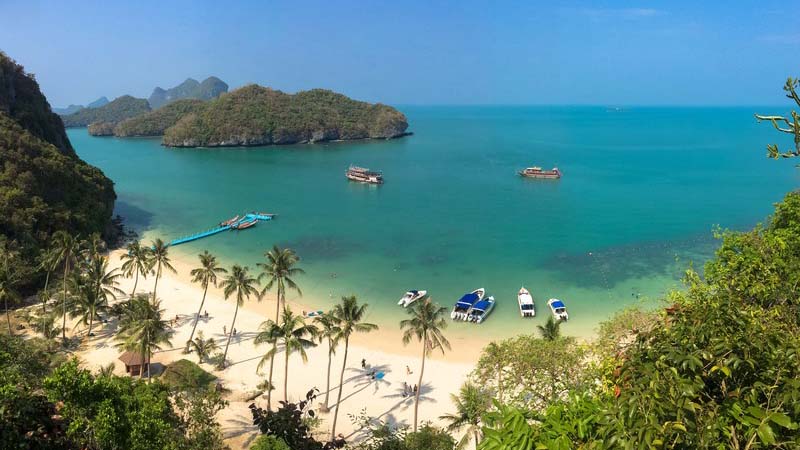
Day 4 Phuket – Beach-style wellness
Leave Bangkok behind to fly to Phuket, well known by Aussies for its dreamy beaches, waterfront restaurants and bars and gorgeous holiday resorts. Andara Resort & Villas take wellness and fitness to another level with a gym to rival the best. There’s also a comprehensive program of classes led by Personal Trainers from Boot Camp, Muay Thai and Pilates amongst many others. Andara’s Signature Massage involves a combination of intense rubbing to create heat on oiled skin, followed by vigorous cupping and chopping.
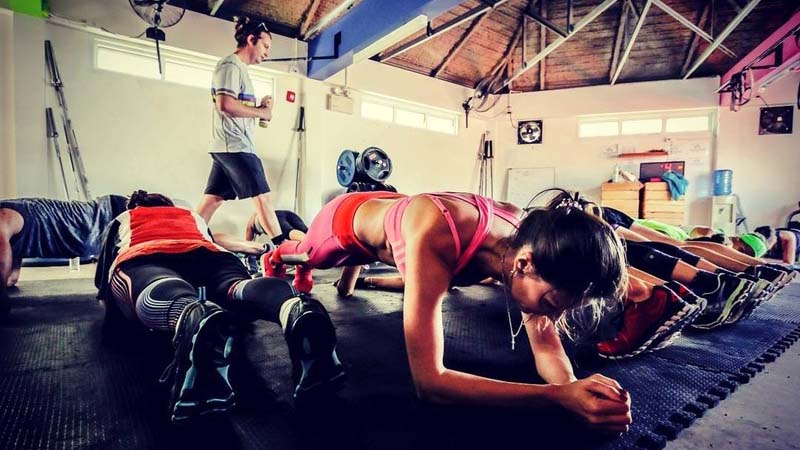
Day 5 Fine tune your athleticism
Thanyapura Health and Sports Resort is the sort of hotel where lycra is de rigeur – leave your cocktail dress and fancy shoes at home! Book in for an intensive program designed around sports improvement, detox, weight loss or a custom designed program to suit your body and budget.
Rise before dawn at Thanyapura for an early morning workout in one of Phuket’s most impressive gyms. After your workout head to one of the swimming pools (there’s an 50m Olympic pool and a 25m training pool), the cushioned synthetic running track, tennis courts equivalent to those used at the Australian Open, a football pitch, or perfect your long or high jumps in the athletics precinct.
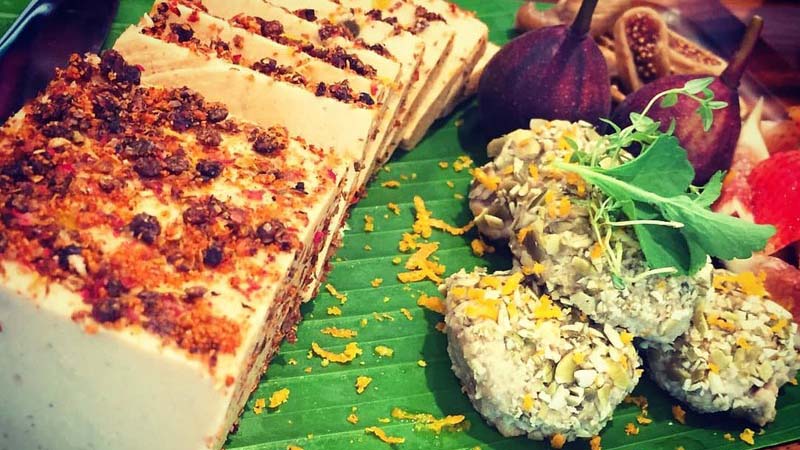
Day 6 Break out a sweat at the vegan buffet
In between classes, dine at Thanyapura’s vegan buffet lunch bar with its fresh juices, vegetable and grain dishes (who knew quinoa risotto was so delicious?) and oodles of fresh salads. It’s health food that tastes every bit as scrumptious as it looks. Don’t forget that workout towel.
Day 7 Water babies take a deep breath
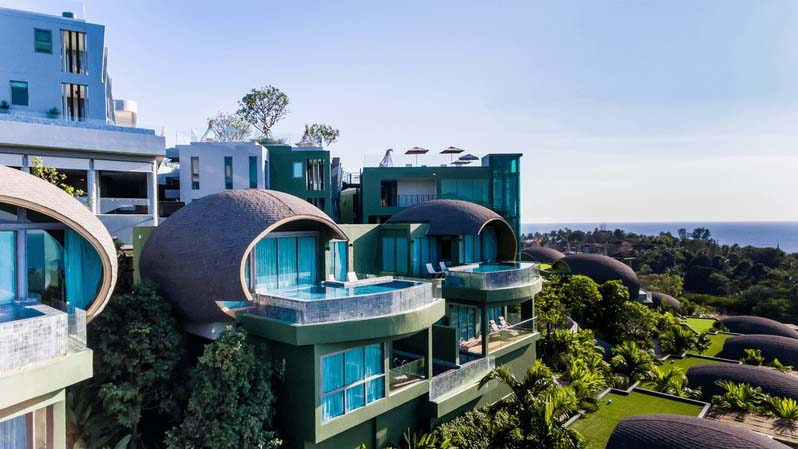
The swanky new Crest Resort & Pool Villas juts dramatically from the cliffs at the southern end of the beach. Rooms with direct swimming pool access are perfect for water babies. Fitness addicts will find their sweet spot at PRIMA & Holistic Wellness Village with early morning Sun Salutations or Sunset Meditation on the rooftop sky lounge. For a totally decadent treat in preparation for your flight home, ask the Bath Butler to prepare a blend of oils for an aromatic soak.
Read Fiona’s full article here and follow her on Facebook at Travel Boating Lifestyle.